
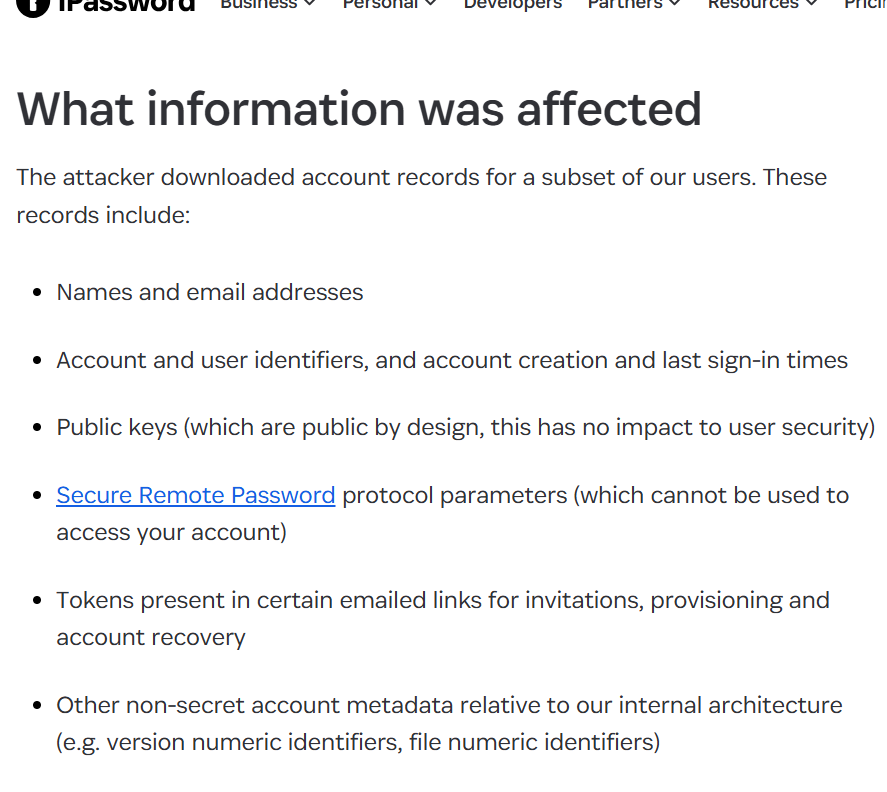
1Password
Currently, 1Password says the attacker did not access password vault data. The company also says it has strengthened the process that uses security tokens—previously, the tokens allowed access to an account when combined with a six-digit code emailed to the user. 1Password now sends a nine-digit alphanumeric code, in order to make guessing the code harder.
Additionally, 1Password lists vaults, vault entries, your private cryptographic keys, account recovery keys, and the 1Password apps and browser extensions as safe from the intrusion. No evidence of user account takeovers or compromise has been found at this time.
But I have to admit, after rival LastPass had a trust-annihilating breach in 2022, I’m not as easily reassured. To recap: LastPass first announced its hack in August 2022 and assured customers no vault data had been compromised. Then between August and December 2022, attackers infiltrated LastPass a second time and stole vault data. LastPass also revealed that not all data in the vaults were encrypted. (Y-i-k-e-s.)

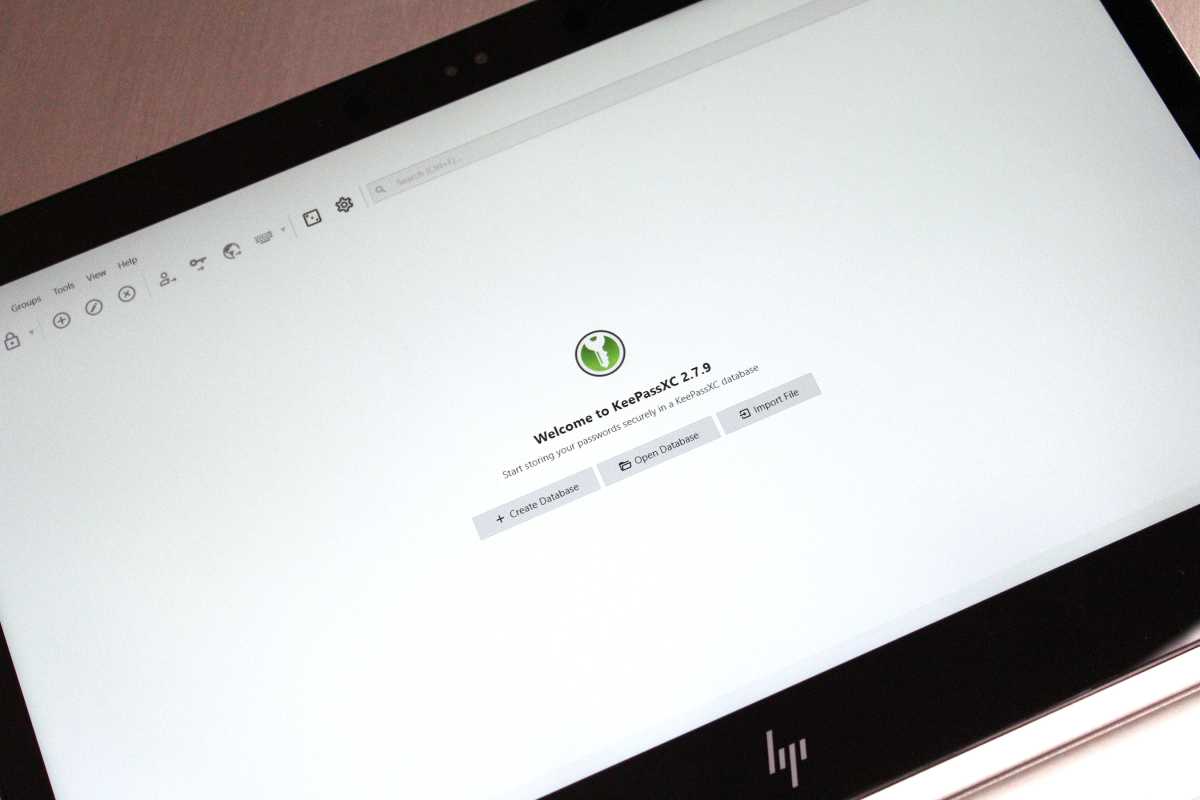
Alaina Yee / Foundry
1Password has advised customers to follow usual security practices, like never sharing your password and Secret Key, as well as being extra vigilant about phishing attempts. However, the company has also not mentioned if or when they will contact affected customers, and at press time, it had not yet responded to my questions about planned communication.
So for now, you’re safe. But my take? If you’re a 1Password customer, I recommend changing your account password for 1Password, as well as any other major accounts like banks, crypto wallets, and other highly important services. Just in case.