
I slapped this $22 LED strip on the back of my TV. My eyes thank me daily
You know those color LED light strips that sync with the images on your TV screen? I’m not a fan. They’re eye-catching, sure, but they’re expensive, they mess with the perceived picture color, and they’re distracting (especially when they aren’t working properly).
There’s a far better and cheaper way to boost the picture on your TV, and as a bonus, you’ll be easing the eye strain that comes from watching a bright image in a dark room. This product—the Scenic Labs LX1 Bias Lighting strip—is one I’ve been using for years, and I swear by it. Similar ones, like this one by Govee, are available on Amazon.
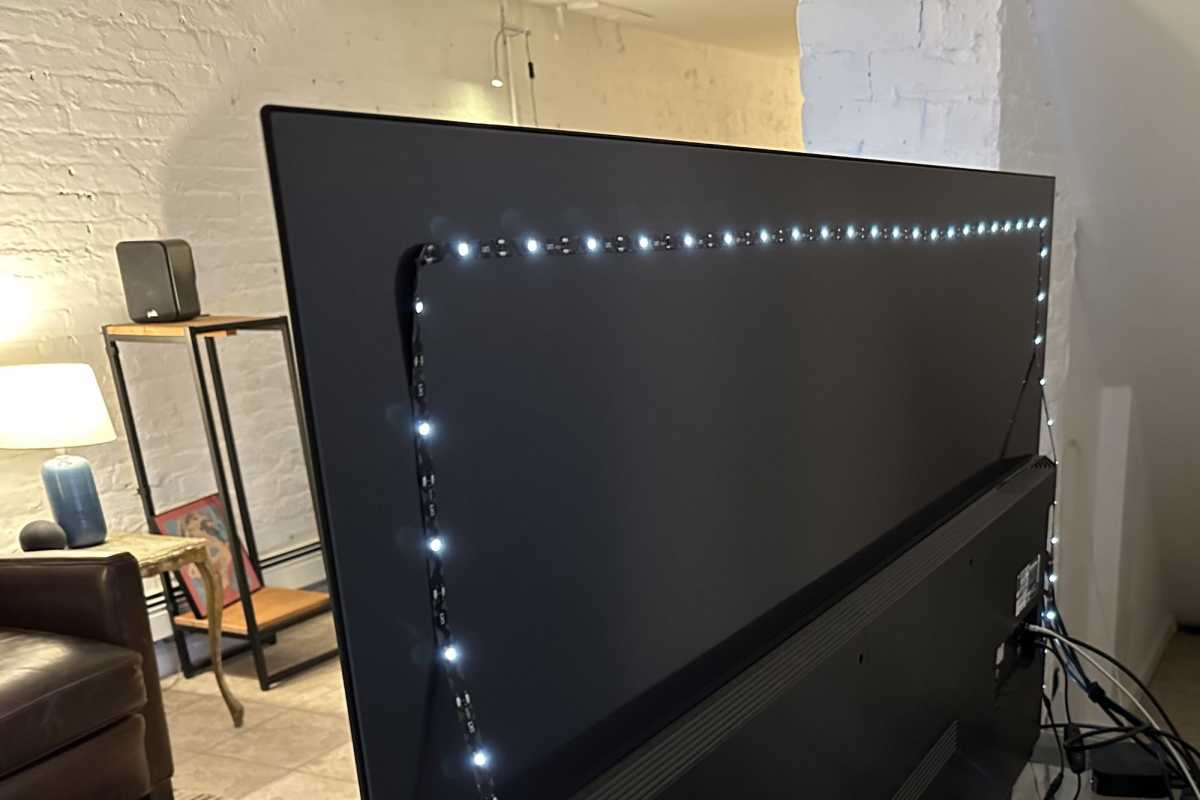
Yes, it’s “just” a light strip, but instead of the fancy color-syncing variety, it’s a white-light LED strip that’s tuned to 6500 Kelvin, the same daylight color temperature used as a reference by TV calibrators, video professionals, and filmmakers.
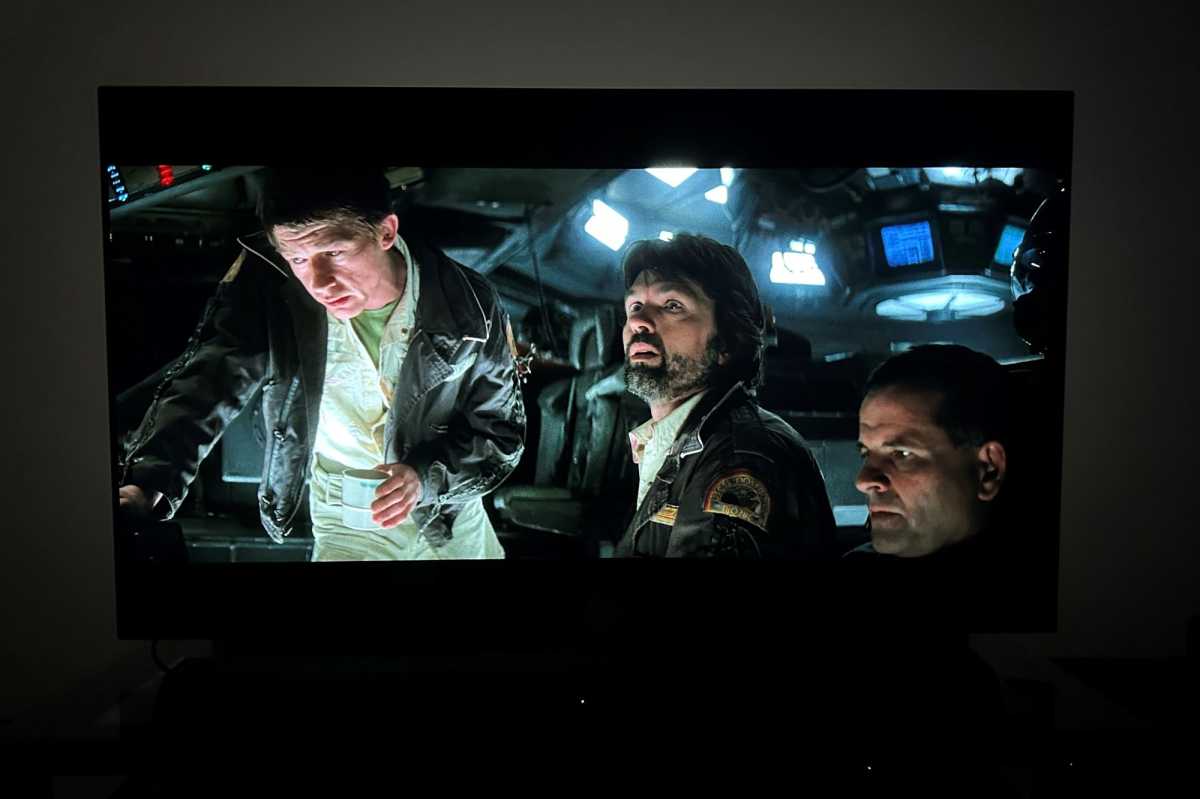
Instead of putting on a dazzling light show, this “bias” light strip shines dimly but steadily, at a brightness that’s roughly 10 to 15 percent of your TV’s maximum brightness. With the brightness set just right, you’ll barely notice the light at all during, say, a Netflix binge-watching session. But the faint glow of the LED strip is there, and it does a few key things.
Ben Patterson/Foundry
First, because it’s tuned to 6500K (assuming you pick a light strip that’s been properly temperature tuned), the colors on your screen will look more natural. For video pros, 6500K is considered the standard for “white,” and they use it when color-grading their creations. So with a faint 6500K glow behind your TV, the colors on your screen have a better chance of appearing the way filmmakers and creatives intended. Conversely, the garish colors served up by picture-syncing LED light strips will distort your perception of the picture.
Second, a properly tuned 6500K light strip can do wonders for the perceived contrast of your TV images, especially if you own a non-OLED TV. The pale halo from the strip will make dark or gray areas on the screen appear darker than they would in a pitch-black room, giving you a quasi-HDR-type boost. The effect won’t be as dramatic on an OLED TV, which already has terrific contrast ratios, but on an older LCD TV, an LED light strip could provide an instant and inexpensive contrast upgrade.
Ben Patterson/Foundry
Finally, a white-light LED light strip can reduce the eye strain that comes with watching a bright image in a dark room for lengthy periods. By bumping up the ambient light just a tad, the faint LED glow eases the contrast between your overall dark surroundings and the bright screen, thus giving your pupils a break and avoiding eye strain symptoms like soreness, watery eyes, blurred vision, and headaches.
The Scenic Labs LX1 Bias Lighting strip can be ordered directly from the company at prices ranging from $21.95 (for a one-meter strip) to $46.95 (for six meters). That’s a little pricier than the LED lights strips you’ll find on Amazon, but this model is known for its color accuracy, and it’s been serving me well for three-plus years without any hiccups. That said, there are cheaper options available on Amazon, including this 6500K LED light strip from Govee, priced at $20 for 5 meters (16.4 feet).
I highly recommend an LED bias light strip for any TV owner—and they work great with PC monitors, too. (I have a couple in my office.)
