
Lawyers say vibe-coding your own app is low risk. But there’s a catch
By now, most people are at least familiar with ChatGPT and Claude, and have tried them out with basic questions, chats, and tasks. Software developers who use such models for agentic coding report that they’ve become more like project managers than coders. And now, instead of coding their own personal apps, they’re getting AI to do it for them. In fact, that’s usually what happens when I ask friends what they’re vibe-coding for: either some hyper-specific personal utility, or replicating paid services.
That was the whole point of apps like PhotoCraft (a “reverse-engineered” version of Photoshop) and WordCraft (ditto, but for Microsoft Word) which developer Brandon Thomas reportedly described as “clean-room replacements” for both of those applications. Normally, reverse engineering would be the domain of an intellectual property lawyer, not a vibe coder like you or me. But as AI has made vibe-coding accessible to average users, it’s worth knowing what legal risks you face in doing so.
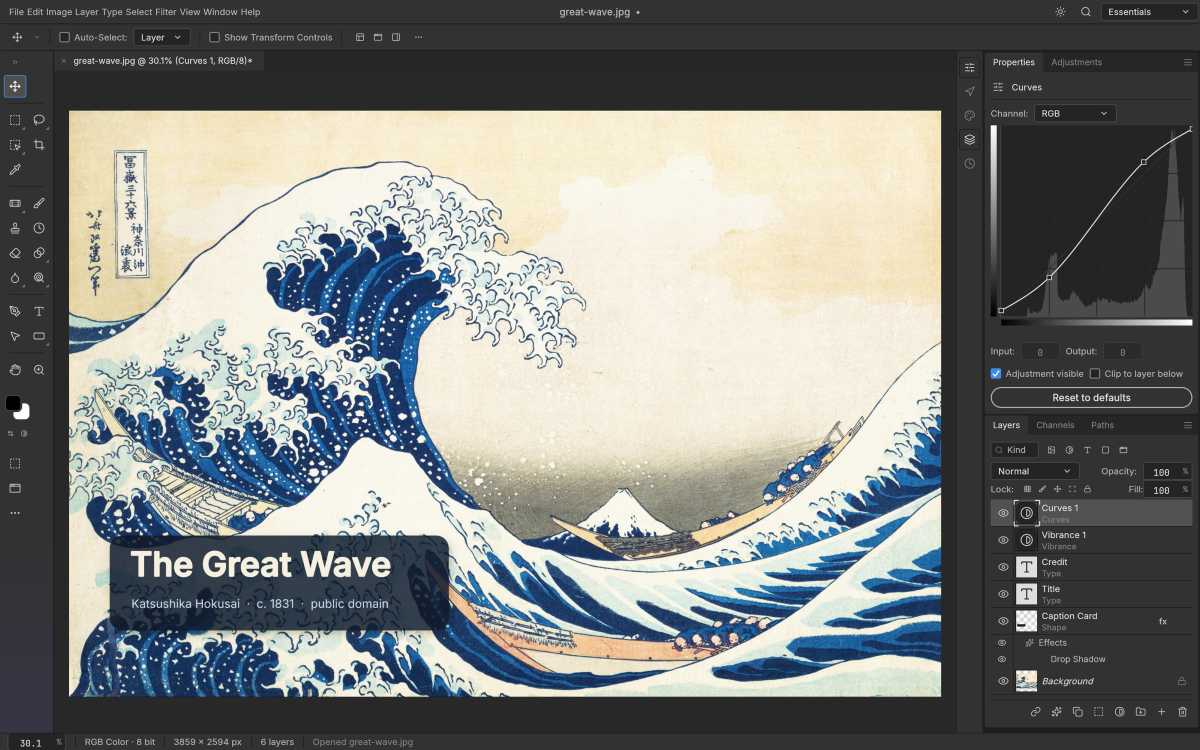
GitHub / StoryTold
Are there risks? In the real world, not really… unless you want to start sharing or selling your replicated creations.
“As with most things, the risk of legal trouble is low for people experimenting privately or building tools for their own uses, but increases quickly if you distribute or sell the things you make that way,” Mitch Stoltz, the competition and IP litigation director for the Electronic Frontier Foundation, said via email.
Clark Asay, a professor of law at Brigham Young University and author of Independent Creation in a World of AI, also doubted that you’ll have any trouble. “I don’t think there’s any real threat at that stage,” he wrote in an email. “Technically, you could still be violating someone’s patent if you vibe-code a utility app that someone’s patent reads on. But no one is ever going to discover your use in this situation or, if they did, sue you.”
Lazy LLMs could be your legal problem
It’s easy enough to vibe-code an application that can run on your PC—simply open up a new chat within an LLM (coders prefer Anthropic’s Claude, but I’ve used OpenAI’s ChatGPT) and ask it to write it. The process is simpler if the application’s function is simple. An app that creates a random butterfly to fly around your Windows desktop will be simpler to describe and code than your own voice transcription application. The output generally includes both the app plus a separate file containing the source code.
