
AI is making cyberattacks worse. You need a digital disaster plan
Also stick to computer programs and browser extensions vetted by known reviewers and security experts. Browser extensions in particular are more vulnerable to attack these days, even legitimate ones. If not outright malicious, they can be hijacked and taken over by attackers to push malware. For similar reasons, uninstall apps and browser extensions you no longer use.
Table of Contents
Lock down your identity
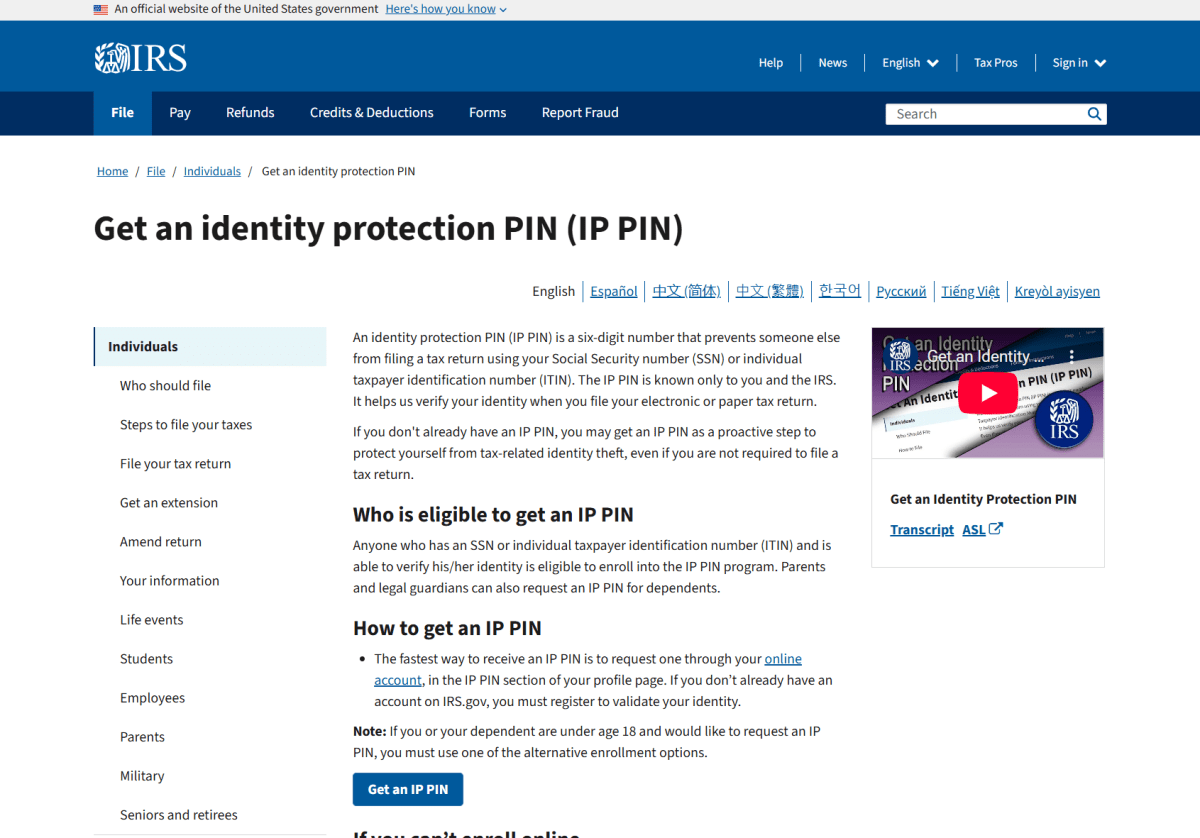
IRS
If you live in the US, you can freeze credit and banking reports to prevent the opening of fraudulent accounts. You can also create an identity PIN with the IRS, so that no one else can file a tax return in your name. Having these in place can prevent more damage if you end up the victim of a bad hack and/or identity theft.
Don’t know how to get started? Our guide goes into more detail about how to set up a freeze with the four credit bureaus, as well as the main verifying company for banks. It also explains how IRS Identity PINs work and how to request one.
Yep, things are worse than they used to be
AI is in its wild west stages right now, and we don’t know the direction it’ll yet go. When I’ve spoken with security experts, they’ve repeatedly said that criminals are ahead in the cat-and-mouse game of cybersecurity. At this rate, analog interaction could make a comeback—a return to methods once thought antiquated, in order to combat digital fraud. Ex: Going down to a bank branch to perform higher-risk transactions.
