
Best of IFA 2026: 10 hot PC products and tech on the horizon
There are also some tasty laptops coming down the pike, some intriguing developments for consumer AI, and a few very promising hardware concepts that we’re praying will make it to market.
Without further ado, here are the 10 products and innovations from IFA 2026 that have us most excited.
Table of Contents
Acer Vero 16
Acer
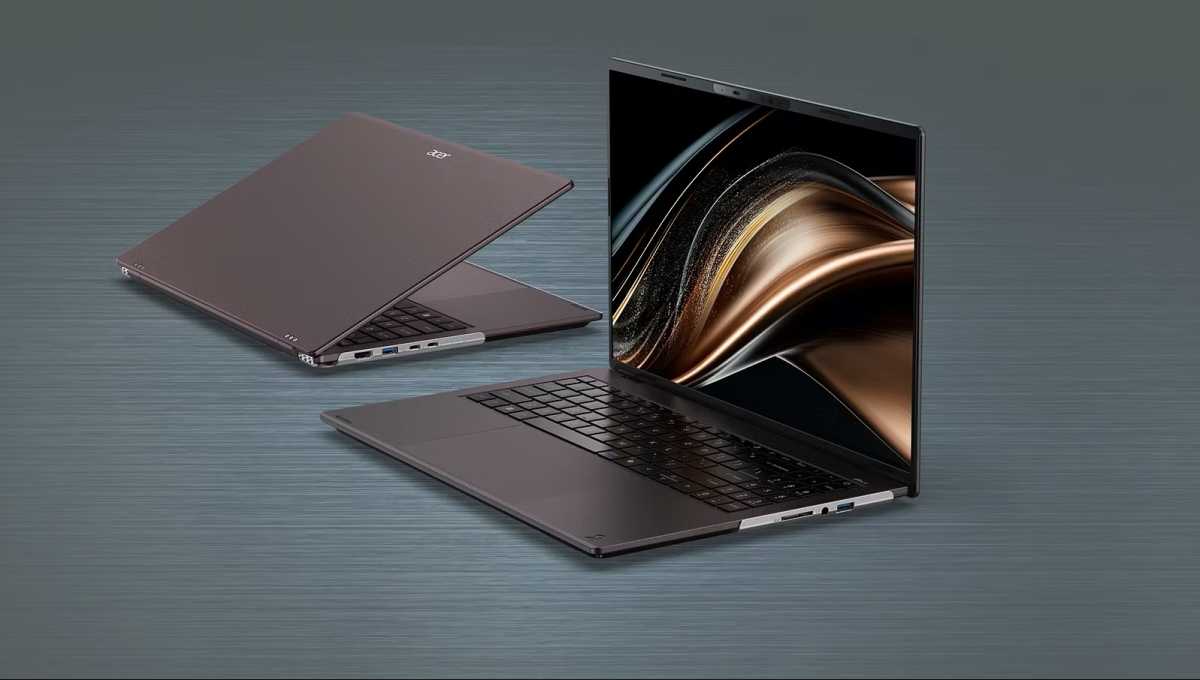
IFA is generally a showcase for laptops, and this year the big news is those RTX Spark models due in October. But I’m wary of new Arm chips, and doubly wary of Nvidia. For my money (what little it buys in a laptop these days), Acer stole the show with its revamped Vero 16.
Granted, Acer is mostly cribbing on Framework here. In addition to recycled components that were a highlight of previous Vero designs, this one allows tool-free access to the primary laptop component bay, replaceable hinges, replaceable battery, all while keeping at least some durability. You can swap out the SSD, too…but not the RAM, like most Core Ultra Series 3 laptops.
With a standard OLED screen and a base Core Ultra 5 322 processor (up to Core Ultra X9 388H at the top end), respectable Arc B390 graphics, and a 71-watt-hour battery, this looks like a pretty good option for a mid-range, all-rounder laptop…though who knows how much all that extra engineering will add to the price.
I can’t say I’d prefer the Vero to a Framework without getting my hands on it, but I’m happy to see more companies incorporate repairable designs. – Michael Crider
Lenovo’s Project AeroBlade concept
Mark Hachman / Foundry
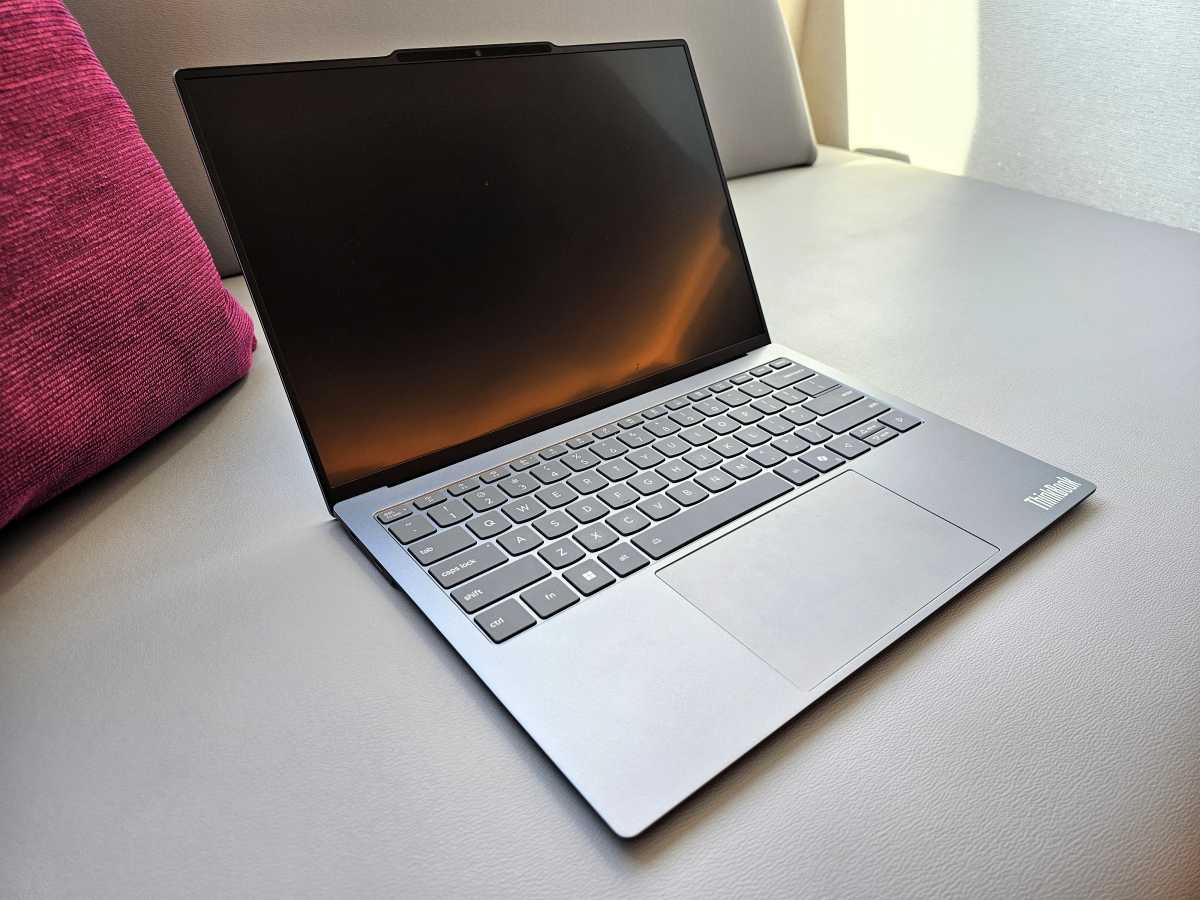
PCWorld was the first to break the story on the Frore AirJet cooling chip, and we’ve been following the technology for years. Now the Lenovo Project AeroBlade concept finally looks like it could bring the AirJet chip to store shelves inside a new 14-inch laptop. Fortunately, Lenovo concepts often end up as products — I’m guessing in 2027.
Why is this important? An AirJet laptop stands to be both quiet (no fans, remember) as well as light — 1.83 pounds, in this case. It’s literally as heavy as a full 24oz water bottle. Lenovo is using Intel’s Core Ultra 200 chip inside it, so it stands to be moderately powerful as well. I can’t wait until I can take something like this on a business trip. – Mark Hachman
Alienware AW2527HX 560Hz OLED esports monitor
Alienware
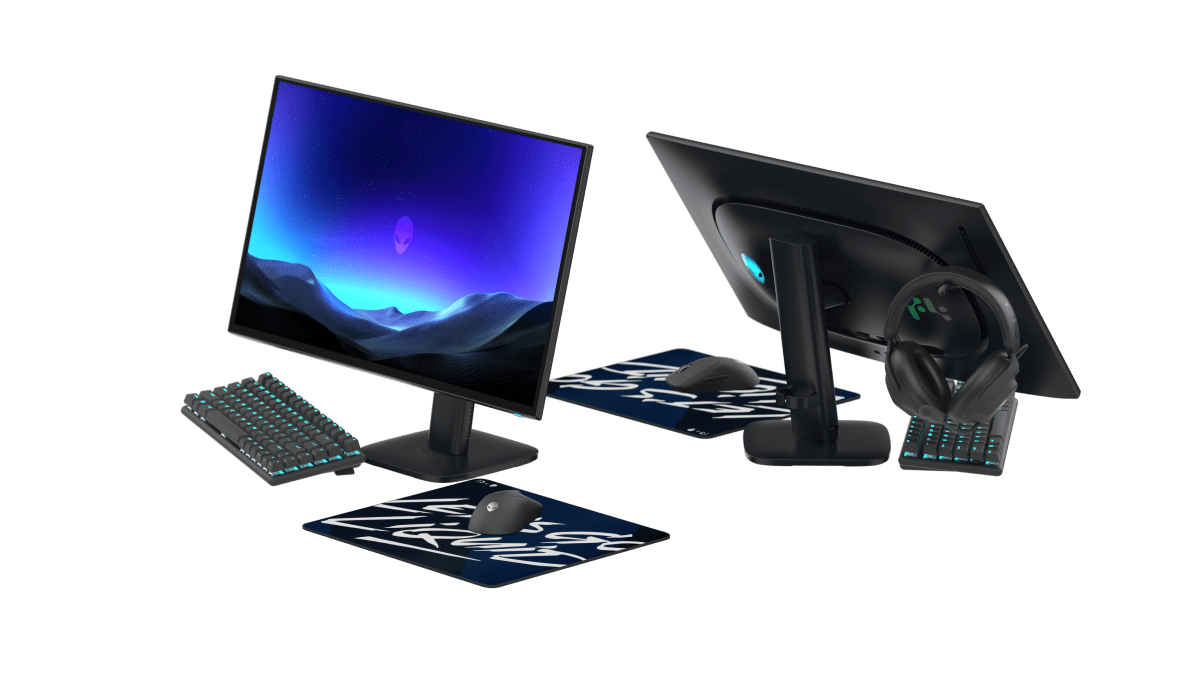
For me, the biggest story coming out of IFA was the deluge of fantastical new monitors, and the Alienware 25 560Hz QD-OLED Gaming Monitor (AW2527HX) captured my attention like no other. The upshot here? OLED is finally ready for the high refresh rates that esports sweats clamor for.
That means that in addition to the blistering 560Hz refresh rate, this 24.5-inch 1080p display also offers all of OLED’s benefits, like luscious contrast, vivid colors with wicked accuracy, fast gray-to-gray pixel response times, and inky VESA DisplayHDR True Black 600 certification that ensures blacks deeper than the darkest soul. Typical esports monitors use ancient TN panel technology instead, which is fast but suffers in visual quality and viewing angles. You won’t find that here.
Add in physical design feedback from the esports pros at Team Liquid — I dig the height markers on the stand for easily repeatable setup — and the Alienware AW2527HX looks ready to turn heads when it launches in the first quarter of 2027. – Brad Chacos
Acer Nitro XV275U Z2
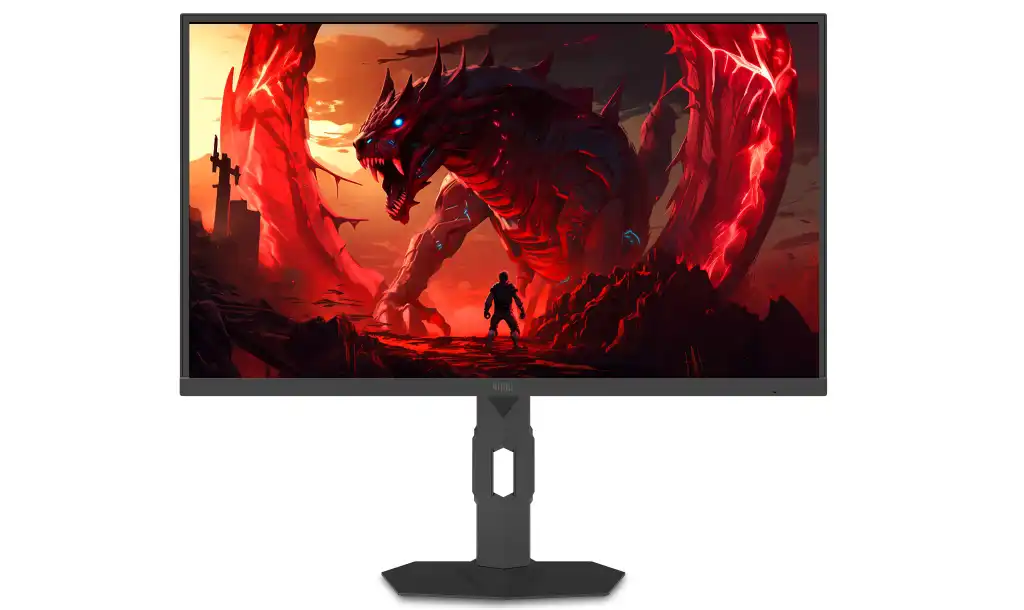
OLED isn’t the only big dawg in the display junkyard. Mini-LED offers many of the same benefits of OLED, but offers higher peak brightness and better text clarity at the slight expense of slower gray-to-gray response times. Bottom line? Mini-LED monitors look great — and now they’re shockingly cheap.
Case in point: Acer’s Nitro XV275U Z2. It will cost just $329 when it launches later this year, giving you a stunning 1,000 nits of HDR brightness powered by 1,152-zone mini-LED backlighting, along with a Dynamic Frequency and Resolution feature that starts at 275Hz at its default 1440p, 360Hz at 1080p, and 520Hz at 720p (ick). Mini-LED doesn’t suffer from the pixel burn-in concerns like OLED, either.
Look for the Acer Nitro XV275U Z2 to land before the holidays. – Brad Chacos
Alienware 32 4K OLED Gaming Monitor (AW3226Q)
Dell
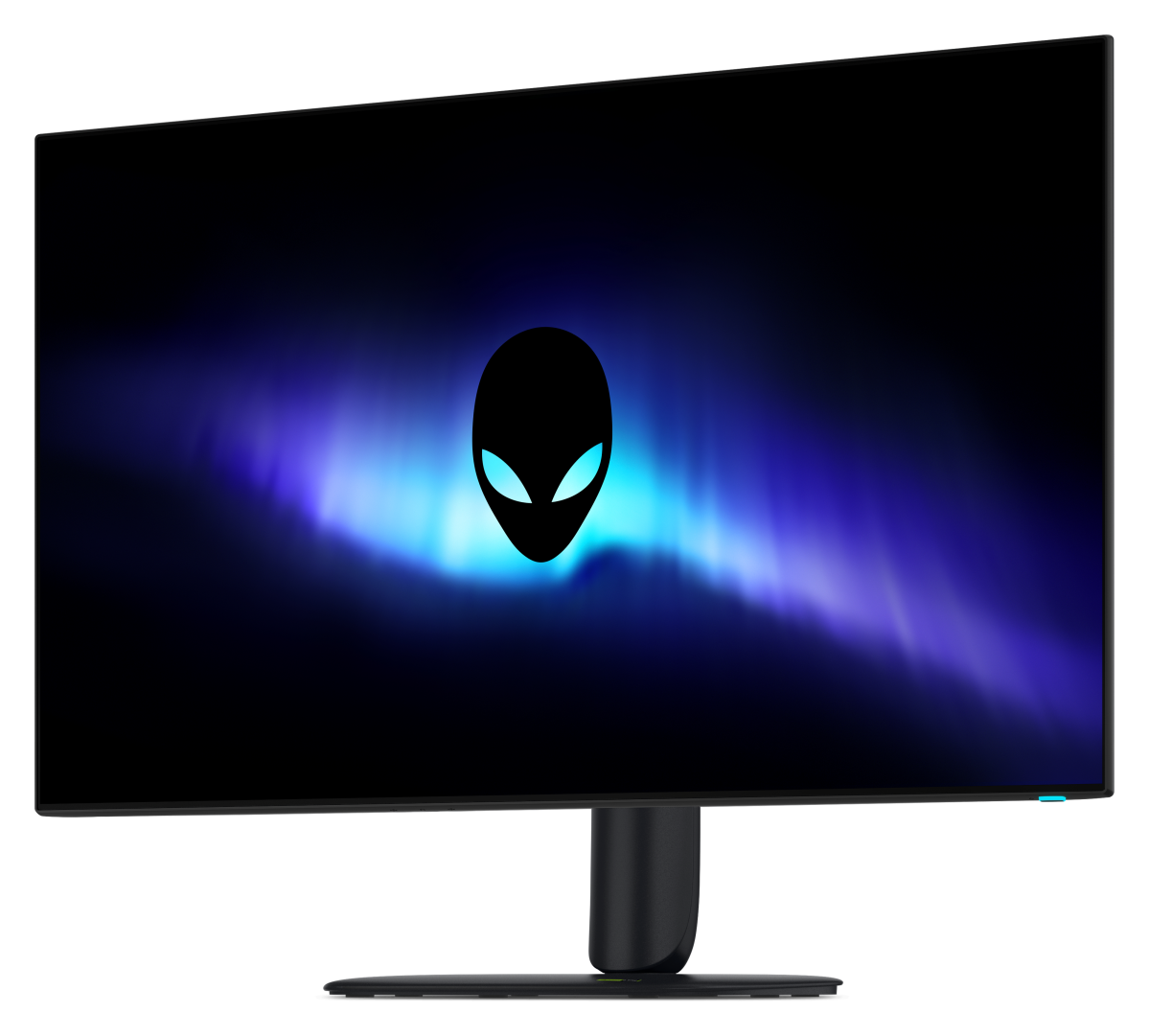
Mini-LED may have historically offered superior text clarity to OLED, but thanks to new “RGB Stripe” OLED technology debuting this year, those days may be over. And Dell created a killer-looking 4K monitor for work and play that leverages the bleeding-edge feature.
The Alienware 32 4K OLED Gaming Monitor (AW3226Q) offers everything gamers could want, from its pixel-packed resolution and 165Hz running speeds to its stunning 1,000-nit peak brightness and VESA DisplayHDR True Black 400 and Dolby Vision certifications. The panel is factory-calibrated for Delta E<2 color accuracy and covers 99 percent of the DCI-P3 color space, which should make it appealing to creators and visual pros as well — especially paired with RGB Stripe’s improved text clarity. Heck, Alienware even packed in HDMI 2.1, so the display plays nice with consoles, too.
Is this the One Monitor To Rule Them All? I’m drooling at the idea of testing this display when it launches for $699 — a shockingly low price tag considering what the AW3226Q offers — later this fall. – Brad Chacos
Acer DualPlay Mini concept

Acer
Why would you spend $2,000 on a PC gaming handheld instead of a gaming laptop? Aside from the size and the controls, everything else is a compromise. But what if you could have…both? Acer’s DualPlay Mini concept answers that question, with a transforming handheld that flips up to reveal a mini-laptop.
High price and a lack of utility for most buyers are what makes me lose interest in high-end gaming handhelds. But this one could make a solid value argument, albeit for a small group of users. It’s basically cramming a netbook into a handheld, albeit a very powerful Arc G3 one. You could even say it’s more portable than a conventional gaming laptop, while preserving a full keyboard…though an eight-inch screen and no touchpad mean you’re still making compromises.
I don’t think this is a practical or realistic design, and frankly I’d be shocked to see it come to market. But I’d love to be proven wrong. – Michael Crider
Acer SFF RTX Spark Mini Workstation
Acer
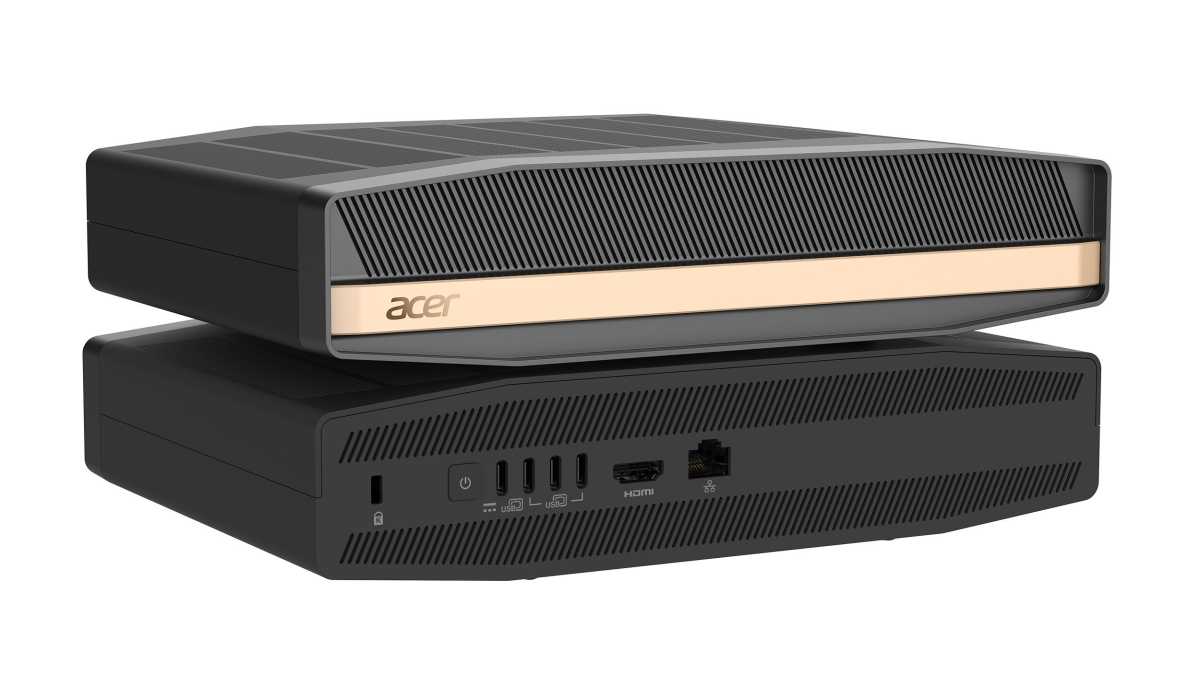
Acer’s SFF RTX Spark is bigger than a mini PC, smaller than a desktop PC, with more than enough power for at-home AI work. Built on Nvidia’s new RTX Spark platform, it features a Blackwell RTX GPU with up to 6,144 cores, an Nvidia Grace CPU with up to 20 cores, up to 128GB of unified memory, and up to 1 petaflop of AI compute. Why pay for expensive tokens when you can run language models and image generation locally? That’s what this mini-workstation is geared for.
The appeal here is obvious: a quiet, compact box that can handle modest AI tasks without involving a subscription or data center. Better privacy, no usage caps, and greater potential than running those same local models on less-well-equipped laptops. As one of the first with Nvidia’s RTX Spark, the Acer SFF RTX Spark is on the cutting edge—and what I appreciate most is how much power it packs into an unassuming box. It’s form and function, not mere novelty. Acer hasn’t announced pricing or availability yet, so for now we’ll just have to wait and see what comes of it. – Joel Lee
Nvidia RTX PAIR
Nvidia
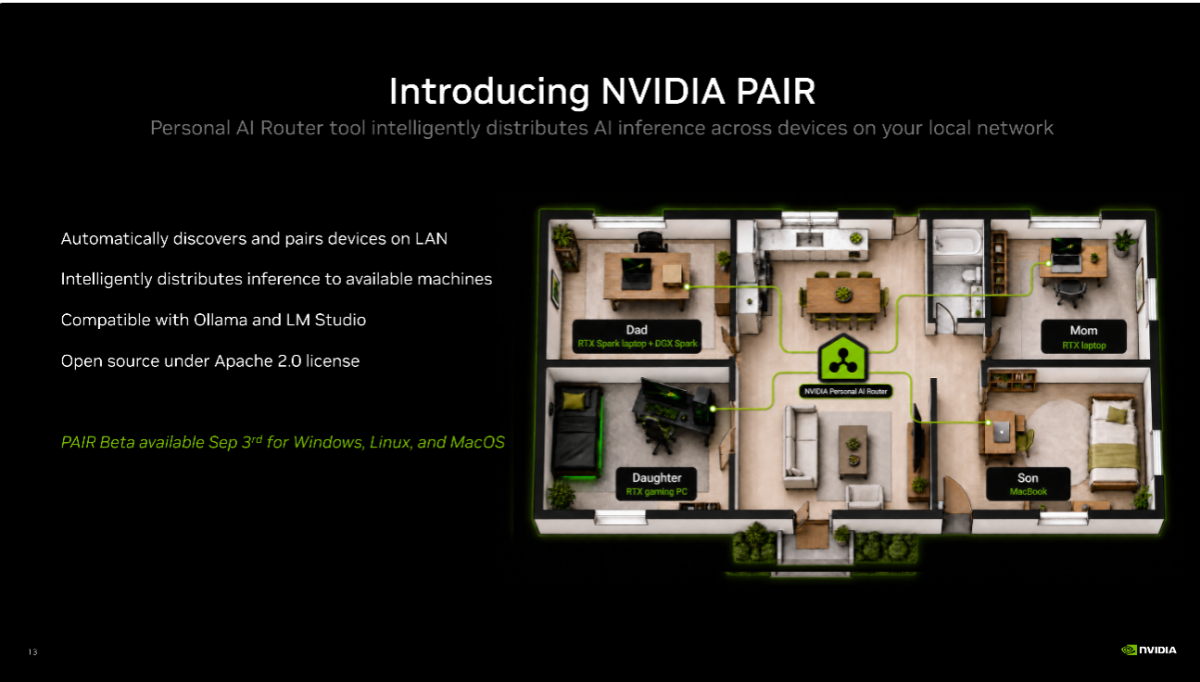
Nvidia teased out some more details about its forthcoming RTX Spark processor at IFA, but I’m more intrigued by some free software meant to tease more AI performance out of the hardware you already own.
Nvidia’s RTX PAIR – an acronym for “Personal AI Router” — is a free app for Windows, MacOS, and Linux that you install on every PC you own with a GPU inside. Once you do, they’re added to a collective pool of resources. Once you spool up tasks for local AI agents in Ollama or LM Studio, RTX PAIR springs into action, dynamically assigning subtasks to the various GPUs in your home to complete AI inference faster. In Nvidia’s example, a “weekly Sunday tasks” chore took more than 18 minutes to complete on a single PC, but RTX PAIR dropped that to just 9 minutes by splitting agents between three computers.
It’s a clever way for Nvidia to augment its already ferocious-looking RTX Spark chips, using the RTX gaming and creator laptops you already own to create an AI supercomputer inside your home. RTX PAIR is available now. – Brad Chacos
Lenovo Project Swan concept
Mark Hachman / Foundry
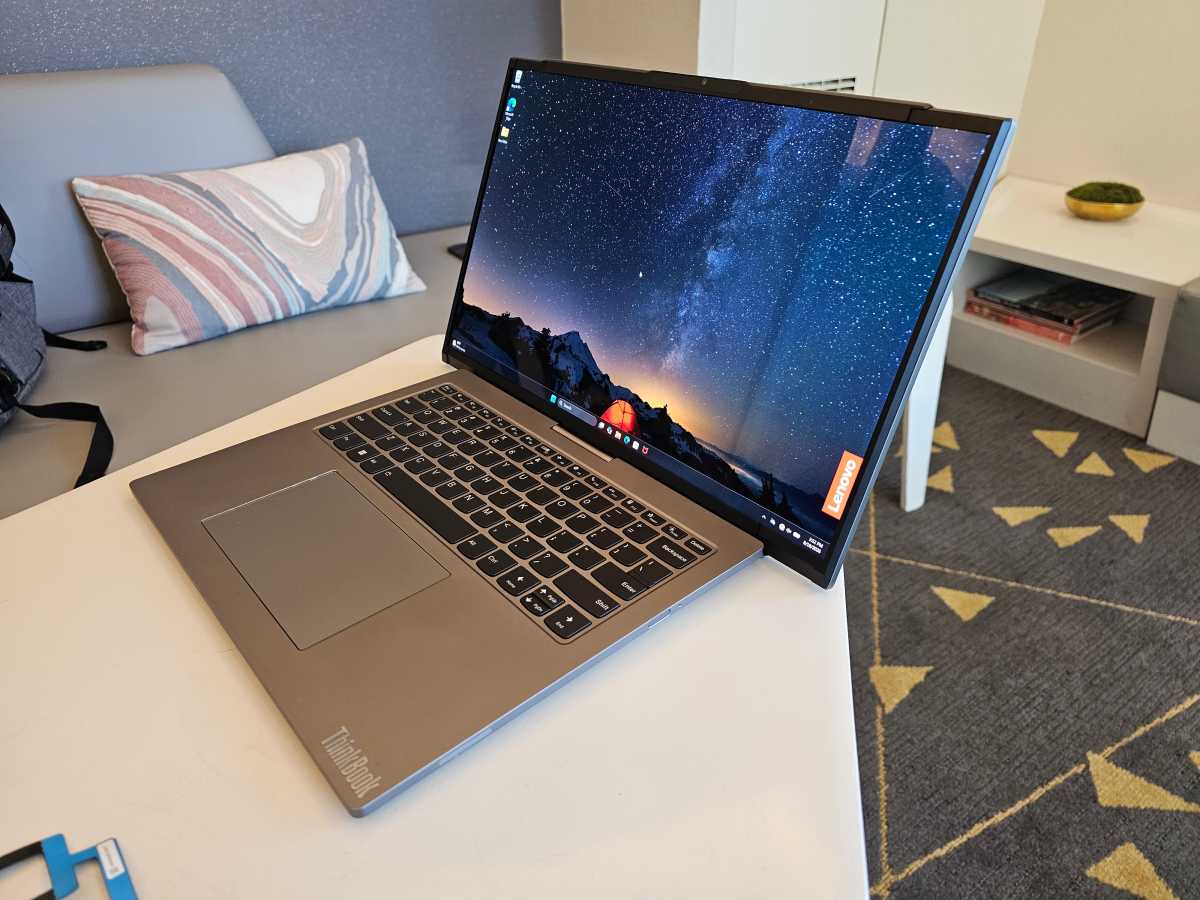
Look, I’m a sucker for ultrawide monitors. Lenovo’s Project Swan concept turns a traditional 14-inch ThinkBook into a widescreen productivity beast at the simple push of a button.
That’s all I need to know. I’m sold. Please make this real Lenovo. Please. – Brad Chacos
Acer Swift Blade 14
Acer
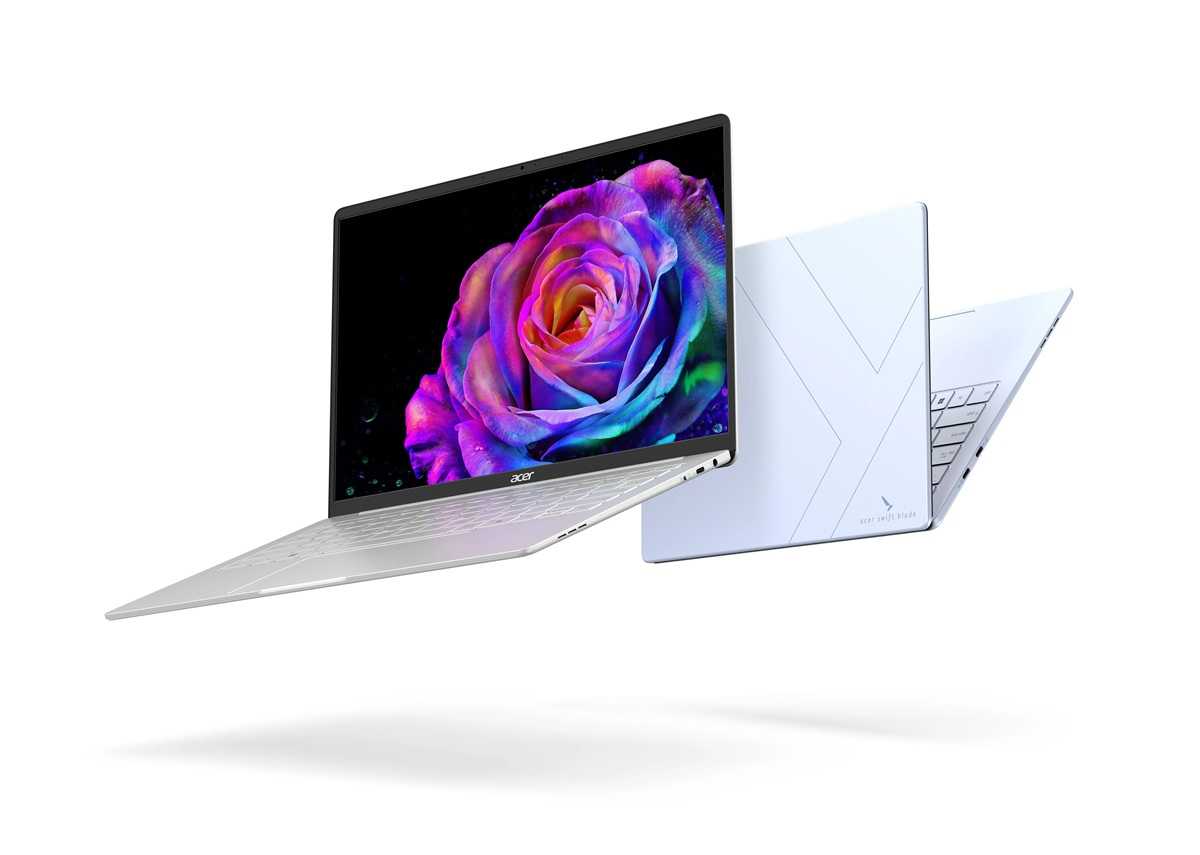
Acer’s Swift Blade is actually lighter (1.76 pounds) than the Lenovo AeroBlade (1.83 pounds) not to mention Acer’s older TravelMate P6 14 AI (2.2 pounds). What all these numbers say, though, is that ultralight laptops are back in a big way, and that the Swift Blade may be the lightest 14-inch laptop on the market.
There are still questions: How long will its 50Wh battery last, attached to an 1800p OLED? Will its Wildcat Lake processor deliver the goods?
Sure, there are those who don’t mind shouldering a 3- or 4-pound laptop for some additional performance. However, there’s also a viable market for consumers who just want a lightweight computing solution that’s not a phone or a tablet. And did we mention that the Swift Blade 14 is about a pound lighter than a MacBook Air? – Mark Hachman
