
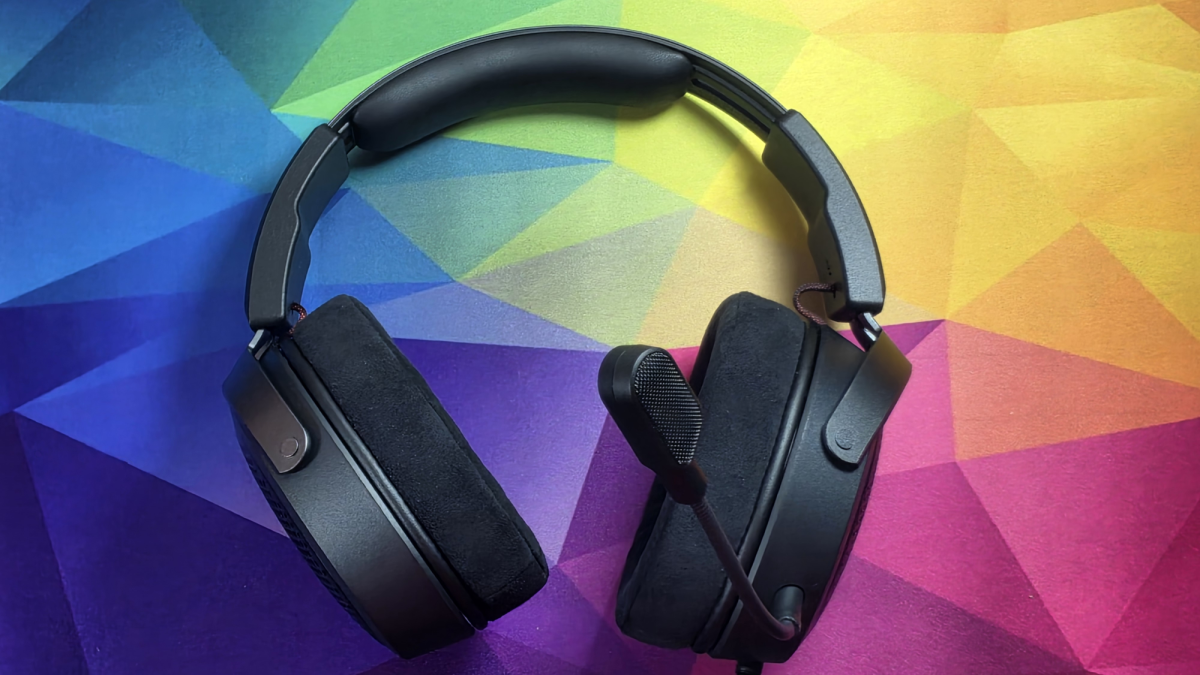
Michael Crider / Foundry
For the uninitiated, open-back headphones allow extra space and air behind the drivers that sit next to your ear, typically with a mesh pattern in the outer housing. There are a few advantages here. Lots of headphones go for an open-back design to allow for a more natural tone and wider soundstage, less like the traditional closed-in feeling of around-the-ear headphones. This creates a more traditional hi-fi sound, more like listening to dedicated speakers. A lot of gamers prefer this for the spatial, atmospheric effect.
The open cups also allow for more airflow to your ears, eliminating some sweating problems for extended wear, and you can hear more of your surroundings since there’s less material between your ears and the outside world. Think of them as the opposite of active noise-cancelling designs: You hear more of the content, and more of what’s around you at the same time.
There are drawbacks, too. Closing out your hearing to exterior noises is kind of a feature of most headphones and headsets. While there are certainly times you want to be able to hear the outside world — see bone conduction designs and pass-through ANC features, for example — it’s not what a lot of people are looking for. The closed back of a conventional headphone or headset cup amplifies bass and other low tones, which is a plus for certain types of music, big action set pieces, et cetera.
Also, open-back headphones will be noisier to those around you, so they’re not great for public transit. Unless you’re a jerk, but if that’s the case, you’re just watching TikTok at full volume without using any headphones at all. Jerk.
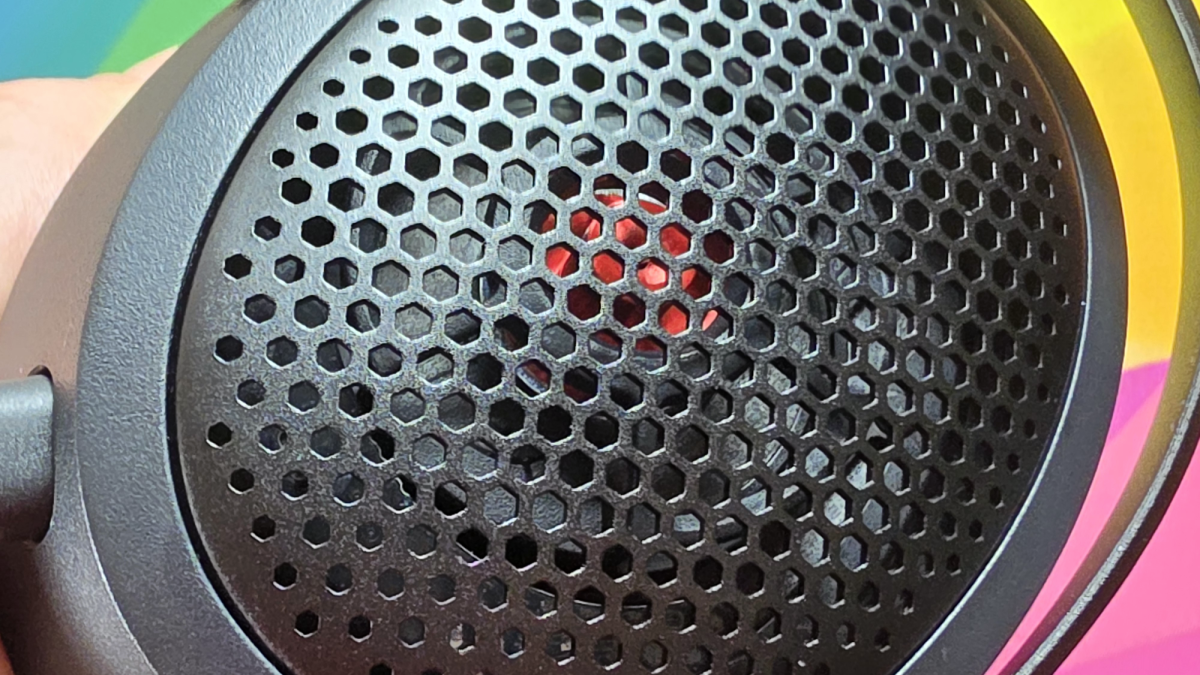
Michael Crider / Foundry
The Cloud Alpha Air tries to remedy the bass issue. The very first bullet point on the spec sheet is the “Bass Tube,” an engineered piece that goes right through the center of the 40mm driver, allegedly to “maintain the low end” of the audio profile. It’s the shiny red thing in the middle, easily visible from the exterior of the open back.
I’ve only had a little experience with open-back headphones, specifically the Sennheiser HD 6XX. And this may be an unfair comparison, but HyperX’s design really doesn’t stack up well to that one, even years later. Trying out both a standard headset and the Cloud Alpha Air at a press event demo station, the loss of low-end response was quite noticeable, even with the Bass Tube.