But with the devices getting their full reveal today, let’s take a look at them. They’re better than I thought they would be earlier this year…but still not enough to actually get me excited.
Table of Contents
What is a Googlebook?
A Googlebook is a laptop from a mainstream manufacturer, with a familiar design, running a new Android-derived operating system (dubbed Aluminum) from Google. The hardware looks…well, like a laptop. It comes with a clamshell form factor, from the biggest names in the industry: Acer, Asus, Lenovo, Dell, and HP, to start. It runs on an Intel Core or Qualcomm Snapdragon processor (MediaTek is coming later). It has a keyboard, a touchpad, a touchscreen. It’s a laptop.

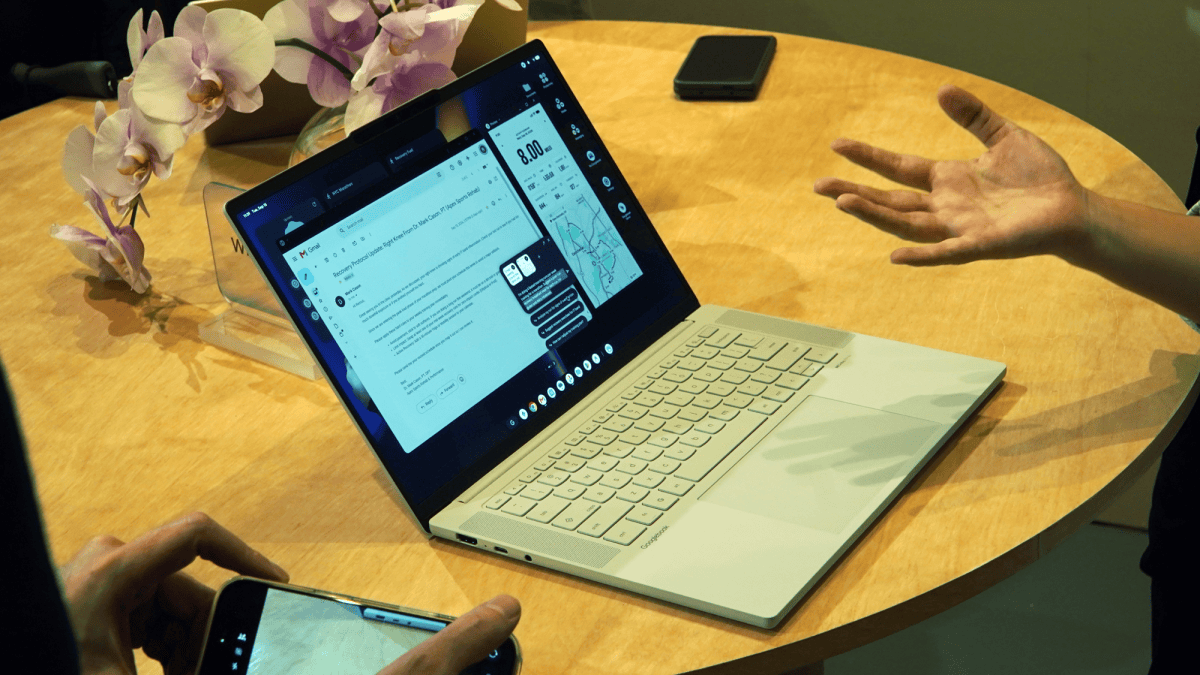
Michael Crider/Foundry
The special sauce here is all in the software. And if you’re used to Chromebooks and ChromeOS, you pretty much know what to expect. While this system is technically Android, it’s set up with a standard desktop environment that should be comfortable enough to anyone who knows their way around Windows or MacOS. You’ll be spending most of your time in the browser — Chrome is the only option, naturally — augmented by web apps and Android apps from the Play Store. Very Chrome-coded.
You do get access to the file system and a few more advanced tools, but don’t expect a bevvy of third-party apps, as on Windows. Again, a lot like a Chromebook, just a more modern take on it.

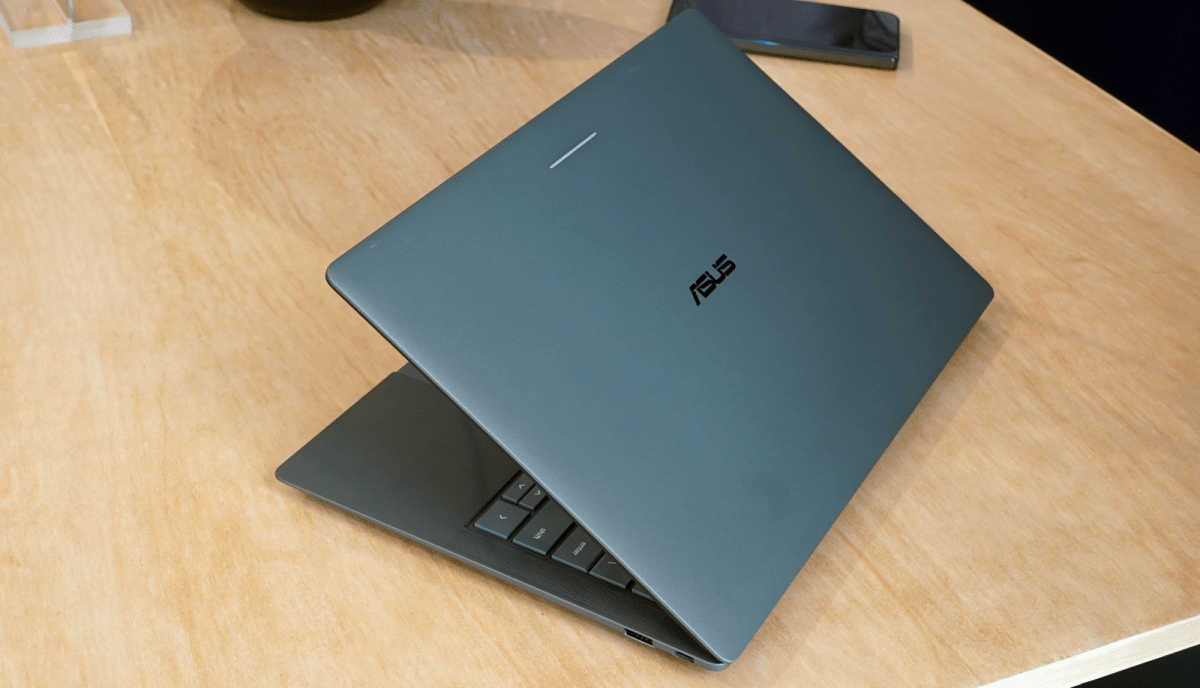
Michael Crider/Foundry
If you’ve used a Pixel phone in the last few years, things might look very familiar here. In addition to Google’s Material Expressive interface, you get default access to mobile-style widgets on the desktop, and the whole thing kind of feels like a phone UI blown up to laptop size. Not in a bad way, mind you — the simplified, focused look is kind of refreshing coming from both the more complex Windows 11, and the far less complex Samsung DeX.
Laptops for phone people
I was expecting Googlebooks to be essentially an entire platform dedicated to Google’s Gemini “AI.” And there’s certainly a lot of it in here, starting from the cursor and working up. But whether as a response to the initial press coverage or as a more internal drive, the positioning of Googlebooks seems to have changed. This isn’t a device devoted to Gemini, it’s a laptop that works with — and in many ways is secondary to — your Android phone.