
Microsoft pledged to fix Windows. Here’s the report card
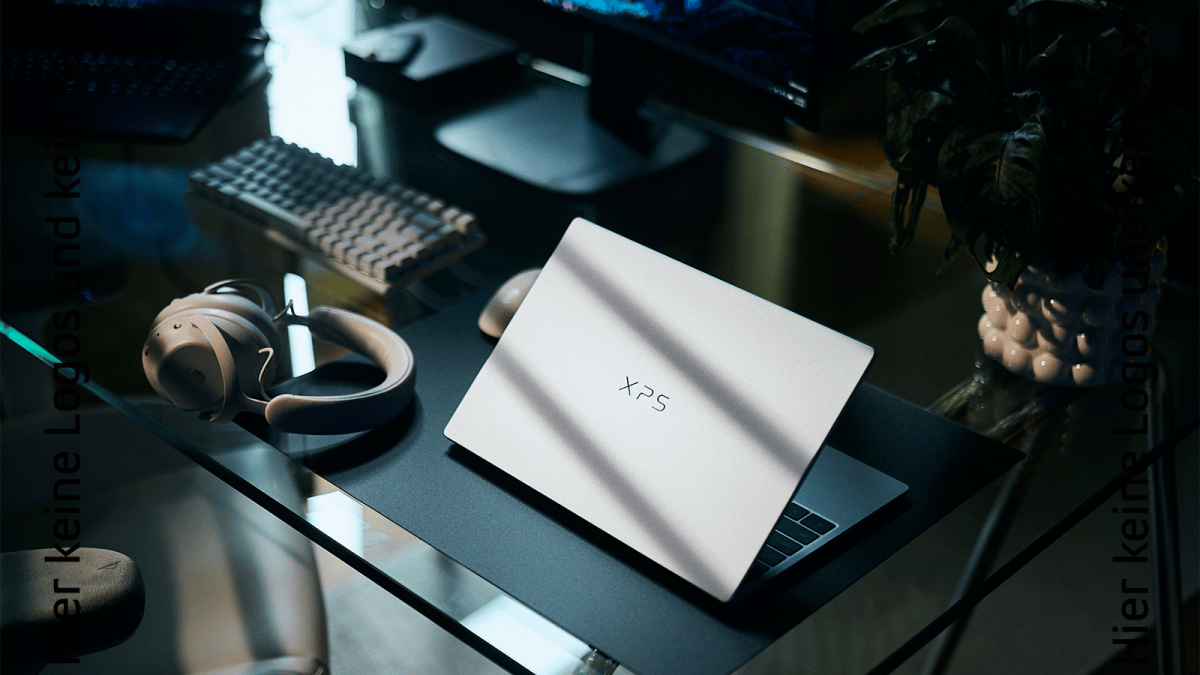
What I will say is that PCWorld has tested a few laptops with 8GB of memory installed, such as the Dell XPS 13 this past August. In my own experience, these affordable PCs — based on Intel’s Wildcat Lake processor and its Project Firefly initiative — feel akin to Chromebooks, capable of performing many basic tasks.
Dell
For me, the dividing line between what these PCs can or can’t do falls somewhere between the “required” and “recommended” specifications that software vendors include. Will the application run, and will it run well? I never had any problem with basic Web browsing or the Microsoft Office applications on the 8GB laptops I tried. However, simply opening Microsoft Edge with ten browser tabs sucked up virtually every bit of memory that Windows provided, and even an idle background app affected performance.
I think Microsoft has more work to do here, and it may never match Apple in how effectively it aligns its silicon with its operating system and applications. The question is, will it need to? If the memory crunch continues, Microsoft developers will be forced to keep busy. If it evaporates, Windows can begin gobbling up memory once again.
A “quieter” Windows: A-
I’m sure many readers will disagree with me here, but Windows does feel less intrusive. Microsoft’s pledge to make Windows “quieter” essentially targeted Widgets, the crazy-quilt app that lives in the right-hand corner of your PC. Widgets began as a simple notification of the current forecast, a change in a stock price, or a notable news event, but quickly became a repository for every random bit of information Microsoft’s Bing search engine could dredge up.
