
Netgear Nighthawk M7 Pro review: A flexible 5G router at a steep price
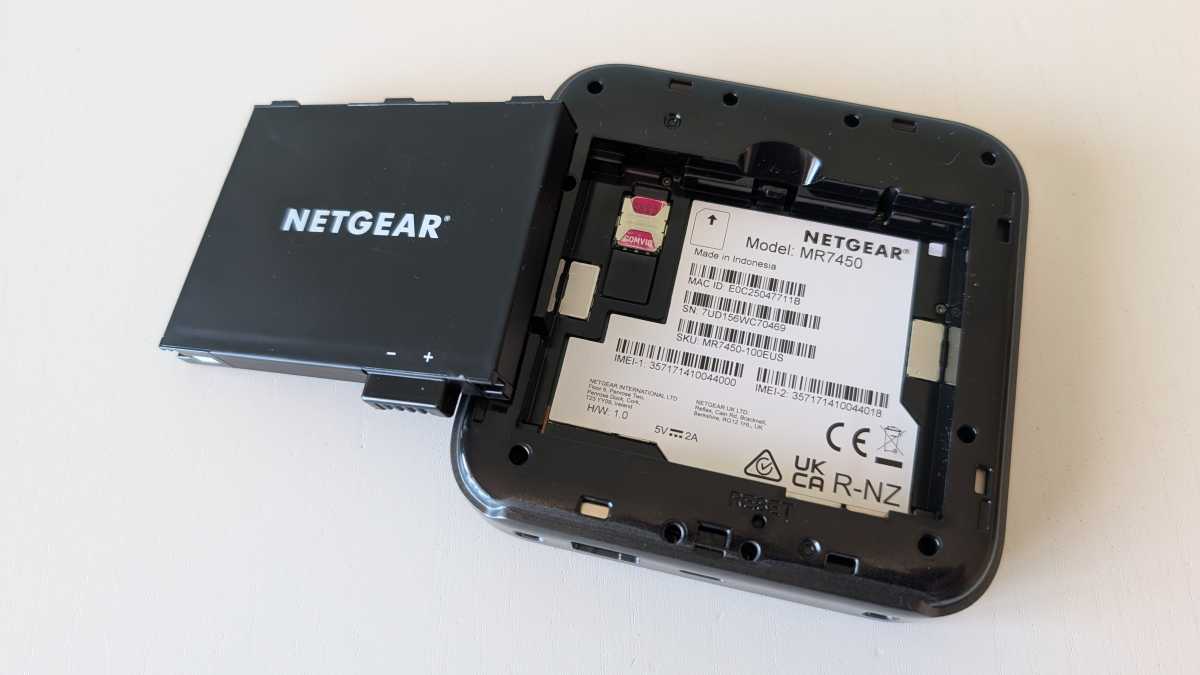
On paper, it’s a powerful router. It naturally supports 5G – albeit only on USB-6 frequencies – but then again, that’s all mobile operators offer, so I don’t count that as a drawback. However, it’s a bit of a shame that such an advanced router doesn’t offer eSIM support. You have to insert a physical SIM card for that.
Mattias Inghe
Table of Contents
Netgear Nighthawk M7 Pro: Good 5G speeds
The connection is solid both when the signal is strong near a mobile mast and slightly weaker outside built-up areas. Most of the time, I achieved speeds of around half a gigabit with Tele2, Telenor, and Telia as my operators.
What mainly sets the Nighthawk M7 Pro apart from most other modern 5G routers is its excellent flexibility.
Even in tricky conditions, it can maintain a 5G connection with good streaming speeds, whereas some simpler routers and mobiles give up and switch to a 4G signal. This is particularly true if you connect an external antenna, for which there are two ports. However, it’s no longer in a class of its own. I get just as good a connection with several alternatives that cost half as much.
What mainly sets the Nighthawk M7 Pro apart from most other modern 5G routers is its excellent flexibility. You can connect to the internet via mobile broadband using a SIM card, but also via the Ethernet port as a WAN connection, or connect to a local Wi-Fi network on one of three frequency bands and share the connection over the other.
You can set it up so that you’re connected via Ethernet or Wi-Fi, with mobile as a backup if you lose connection. However, the reverse isn’t possible.
Mattias Inghe
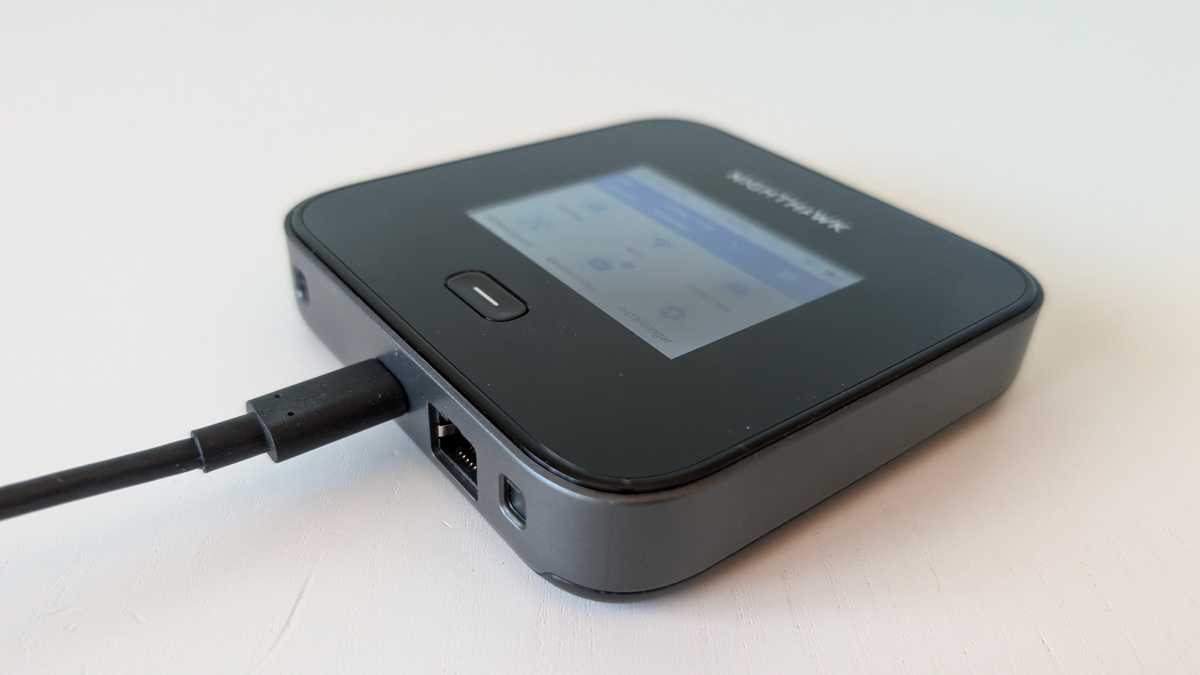
Netgear Nighthawk M7 Pro: Plenty of ways to connect
You can also connect clients – the devices that need internet access – via Wi-Fi, the USB-C port, and the Ethernet port. However, you can’t use both at the same time. If the Ethernet port is in use for the WAN connection, that’s it. You’re also limited to a maximum of two frequency bands simultaneously for Wi-Fi. The router supports Wi-Fi 7 at 2.4, 5 and 6 GHz.
