Does AMD even care about graphics cards anymore?
Recently CEO Dr. Lisa Su said that AMD is a “data center first company.” For context, while Nvidia is the clear and massive leader in supplying hardware to “AI” data centers, AMD is doing just fine out of the bubble, too. In the most recent quarterly report, the company claimed $13.4 billion in revenue with a 54 percent profit margin. Data center income accounts for over $8.5 billion, with just $770 million coming from the “Gaming” segment (another $2.95 billion from “Client,” i.e. providing CPUs for standard laptops, desktops, etc.).
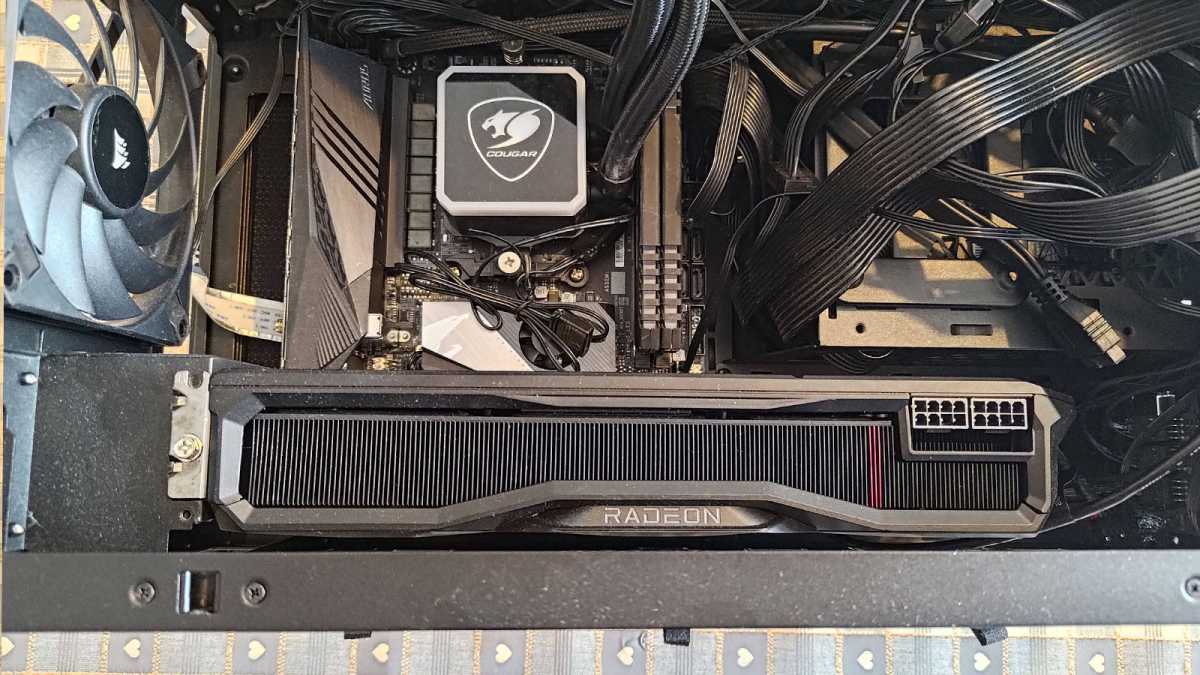
So even if AMD is well-known as a graphics card designer, and is rapidly gaining ground on Intel for high-performance gaming CPUs with its X3D series, its actual revenue from gaming-focused hardware is a pretty small piece of the pie. That mirrors Nvidia and Intel’s progress since the AI bubble began inflating. What are the odds that AMD will simply abandon the gaming market?

Jon Martindale / Foundry
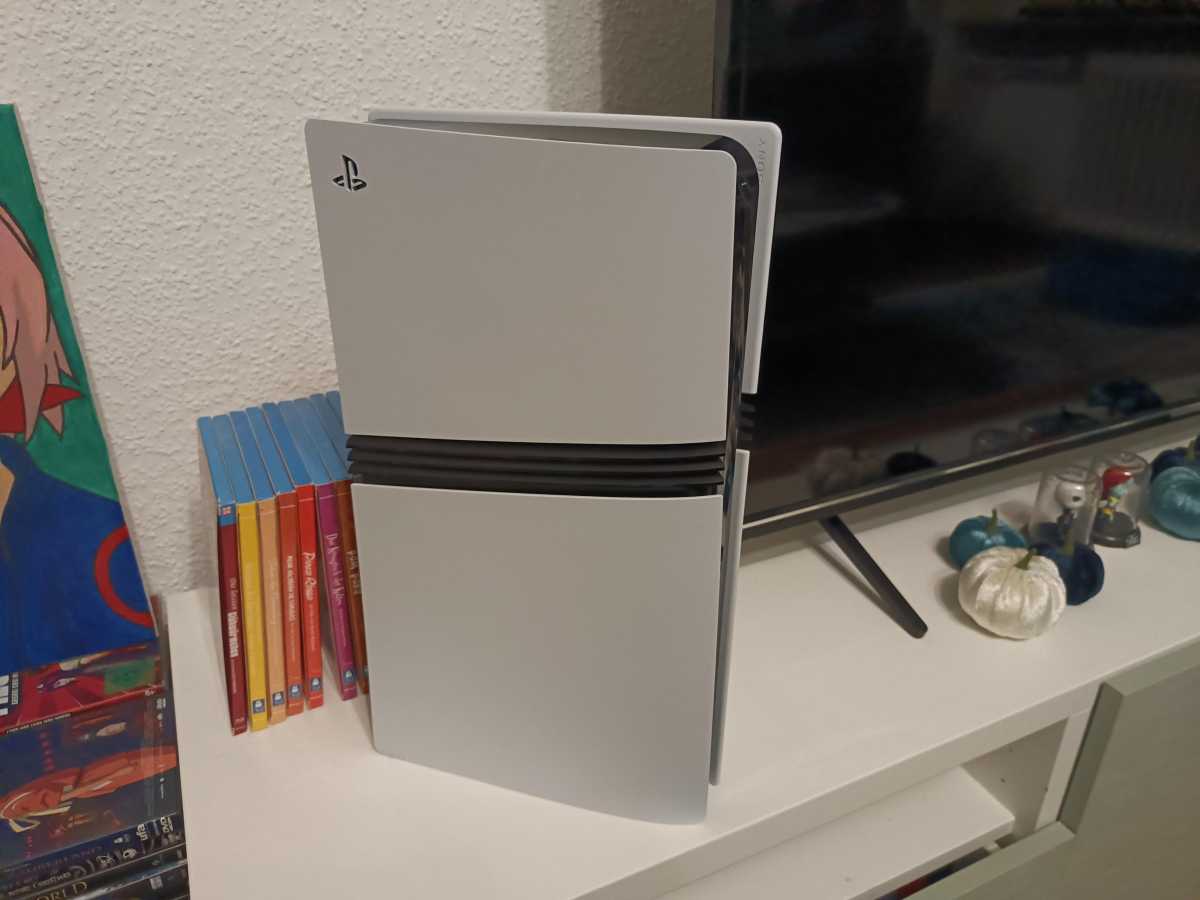
Not high, as it turns out. I asked for comment from industry analysts, wondering if AMD has a reason to care about gaming in the age of AI. Patrick Moorhead of Moor Insights & Strategy said, “Yes, but for different reasons than ten years ago. Data center is where the money is now. …Gaming is down to about 6 percent of its revenue, but it isn’t a business AMD can drop.” He points out that AMD provides the core tech for both the Xbox and PlayStation, similar APUs to AMD-powered laptops and handhelds.
“Radeon keeps AMD’s graphics architecture and driver teams sharp, and the enthusiast base it builds is where many developers first try ROCm, on a local GPU,” says Moorhead. “Being data center first doesn’t mean data center only.”

IDG
Jon Peddie of Jon Peddie Research agrees. “AMD very much cares about the gaming market, especially consoles. GPU development has a symbiotic relationship with gaming and AI, and the combined production reduces COGS and improves margins.”
So we can assume that AMD won’t be dropping its long-standing investment in the consumer gaming space, for PC or consoles. But even considering its dominance in the console space and meteoric advancements for gaming-tuned CPUs and APUs like those in the Steam Deck, AMD is well behind Nvidia when it comes to discrete graphics card tech and market share.