
Stop! 7 ways you’re making your personal info public online
Summary created by Smart Answers AI
Table of Contents
In summary:
- PCWorld identifies seven common ways people inadvertently expose personal information online, including excessive app permissions, public social media profiles, and uncontrolled location tracking.
- Data brokers compile detailed profiles from social media, apps, and public records, creating comprehensive digital dossiers containing income, addresses, and personal habits.
- Simple privacy measures like using separate email addresses, adjusting app permissions, making social profiles private, and utilizing data removal services can significantly reduce online exposure.
Most people don’t intentionally publish their personal information online. Yet bits and pieces of it end up there anyway through social media posts, app permissions, shopping habits, and countless websites that quietly collect data behind the scenes. Before long it’s easy for third parties to piece together a surprisingly detailed picture of your life.
The good news is that protecting your privacy doesn’t require throwing away your devices and holing up in a cabin. In many cases, it simply comes down to making small changes to how you use the apps and services you rely on every day. If your information is already out there, privacy-focused data removal services can also help reduce your exposure by requesting that data brokers remove your personal records.
Here are seven ways you might be making your personal information public online—and what you can do to stop it.
PROMOTION
Google reveals more than you know.
Searching your name on Google reveals more than you’d like. Data brokers feed that information—and removing it yourself takes hours. Incogni sends removal requests automatically, across hundreds of brokers. Less exposure, zero effort.
Get 55% off. Use code PCWORLD
Social media makes it easy to share life’s big moments, but it can also reveal far more than intended. That vacation photo might tell people you’re away from home. That birthday post can give away your date of birth. Family photos can reveal the names of your children, the school they attend, or even your neighborhood. All of these things together can help build a surprisingly detailed profile of you.
The solution isn’t to stop using social media, but to be more selective about what you share. Before posting, take a moment to look beyond the subject of the photo and consider what other information is visible.
It’s important to avoid sharing sensitive details like your home address, travel plans while you’re still away, or documents that contain personal information. It’s also worth reviewing older posts to take down anything that you may have let slip in the past. You’d be surprised how much personal information you’ve shared over the years without realizing it.
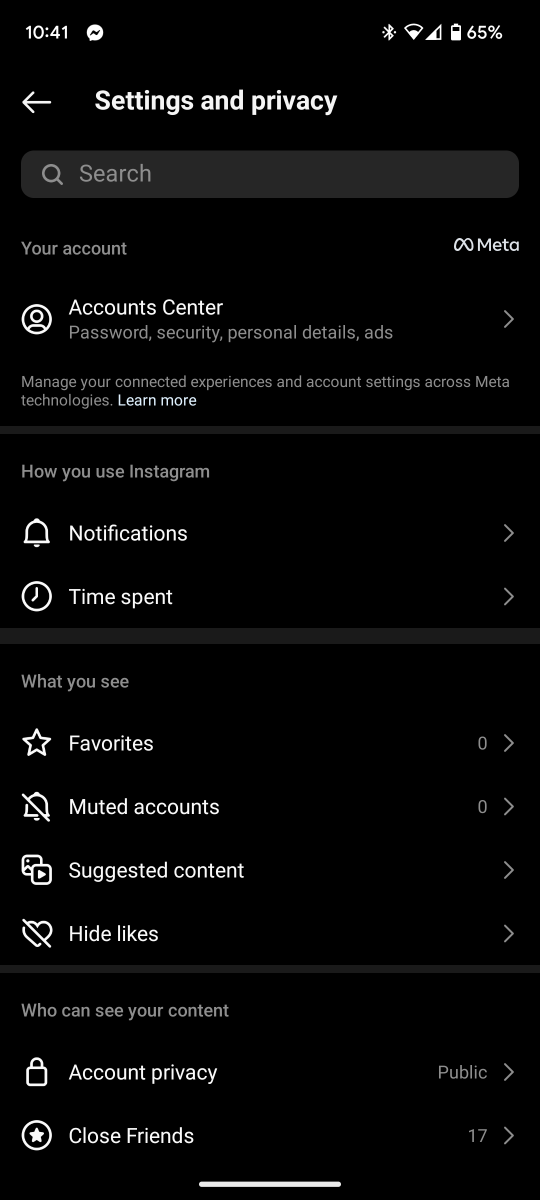
Make sure that you limit who can view your profiles on social media sites such as Instagram, Facebook, X, and others.
On the topic of social media, unless you’re trying to gain a following, you should probably make your profiles private. Public profiles allow some account details—profile pics, bios, friends or followers lists, and past posts—to be visible to anyone unless you change the default settings.
In some cases, your profile can even appear in Google search results, making it much easier for strangers to find information about you. If you do find your info on Google Search, follow our step-by-step guide on how to get it removed.
Take a few minutes to review your privacy settings on every social media platform you use. Limit who can see your posts, hide your friends or followers list where possible, and disable search engine indexing if the option is available.
Most social networks update their privacy controls over time, so even if you’ve configured them before, it’s a good idea to revisit them every so often to make sure you’re still sharing only what you want.
You’re giving apps access to more data than they need
Dominik Tomaszewski / Foundry
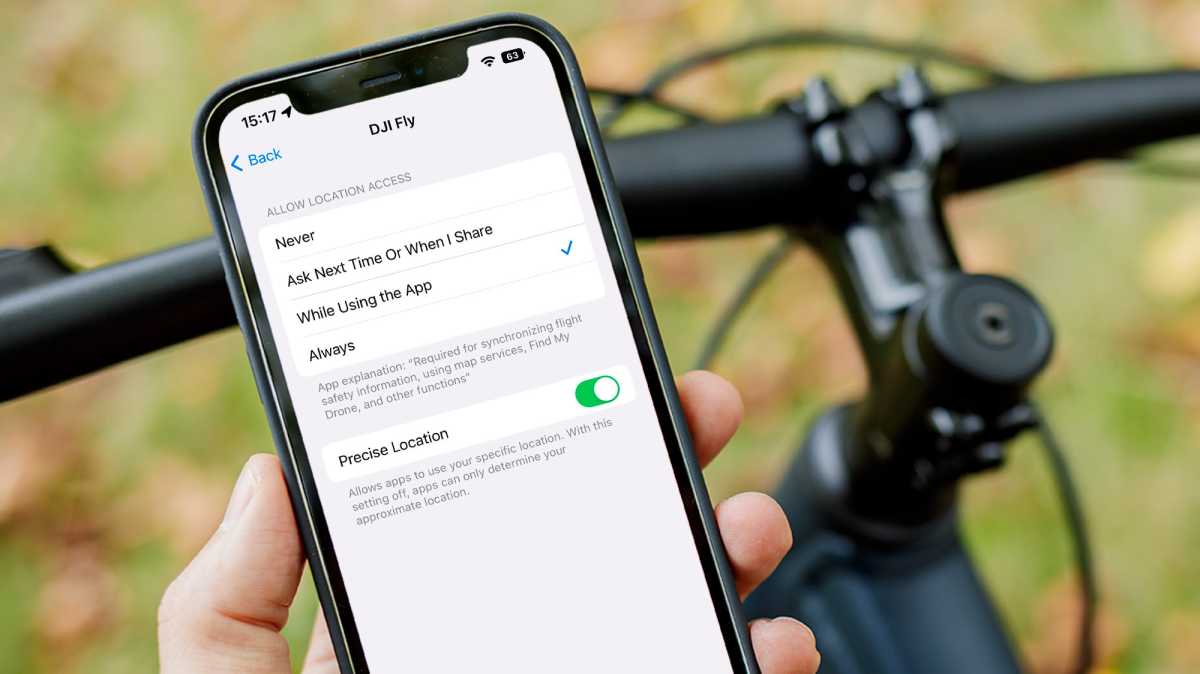
Apps ask for a lot of access to your data. They want your location, contacts, photos, and sometimes your microphone and camera. Sometimes the apps really need these to function properly. For example, a map app needs your location to show where you are, or a messaging app needs your camera to send photos. But a lot of apps ask for way more than they need.
That extra access lets app developers build a database of your habits, interests, and movements. They can then share that data with advertisers or other companies, based on what their privacy policy allows.
In order to maintain control over your app data you need to check your app permissions on a regular basis. Both Android and iPhone show you exactly which apps can use your location, camera, microphone, contacts, and photos. If a permission doesn’t match what the app does, turn it off. It’s also a good idea to pick “Only while using the app” instead of “Always allow.” Finally, do a spring cleaning by deleting any apps you don’t use anymore.
The less you share with each app, the less data sits out there waiting to get collected, sold, or leaked in a breach.
You’re letting websites track you across the internet
Every time you visit a site, something is probably watching your activity. Hidden tools that track what you do such as cookies, tracking pixels, browser fingerprinting, and third-party scripts let websites and ad companies record which pages you visit, which products you look at, and how long you stay on a site.
Over time, advertisers collect this data, build a profile on you, then repurpose it to send you targeted ads. Sometimes that browsing data goes to data brokers too, who add it to the files they keep on millions of people and sell it to practically anyone.
You can’t stop all tracking, but you can make it harder. Decline cookies whenever a site gives you the choice. Use a browser built for privacy that blocks trackers by default. Install a trusted ad or tracker blocker. Clear your cookies now and then. Check your browser’s privacy settings and turn on features that limit cross-site tracking.
You’re using the same email address everywhere
If you use the same address for shopping, social media, newsletters, and streaming, companies can link all that activity together.
Advertisers and data brokers can also match it with other data they’ve collected, building a more comprehensive profile of you. Or if that address leaks in a data breach, savvy scammers can use it to send you dangerous phishing emails.
The fix here is simple: Stop using one email address for everything. Use one for important accounts like banking and healthcare. Use another for shopping. Use a third for newsletters or one-time signups.
Even better, use an email alias service. It creates a unique address for each site and forwards the messages to your main inbox creating an extra layer of protection and anonymity.
You’re sharing your location without realizing it
Dominik Tomaszewski / Foundry
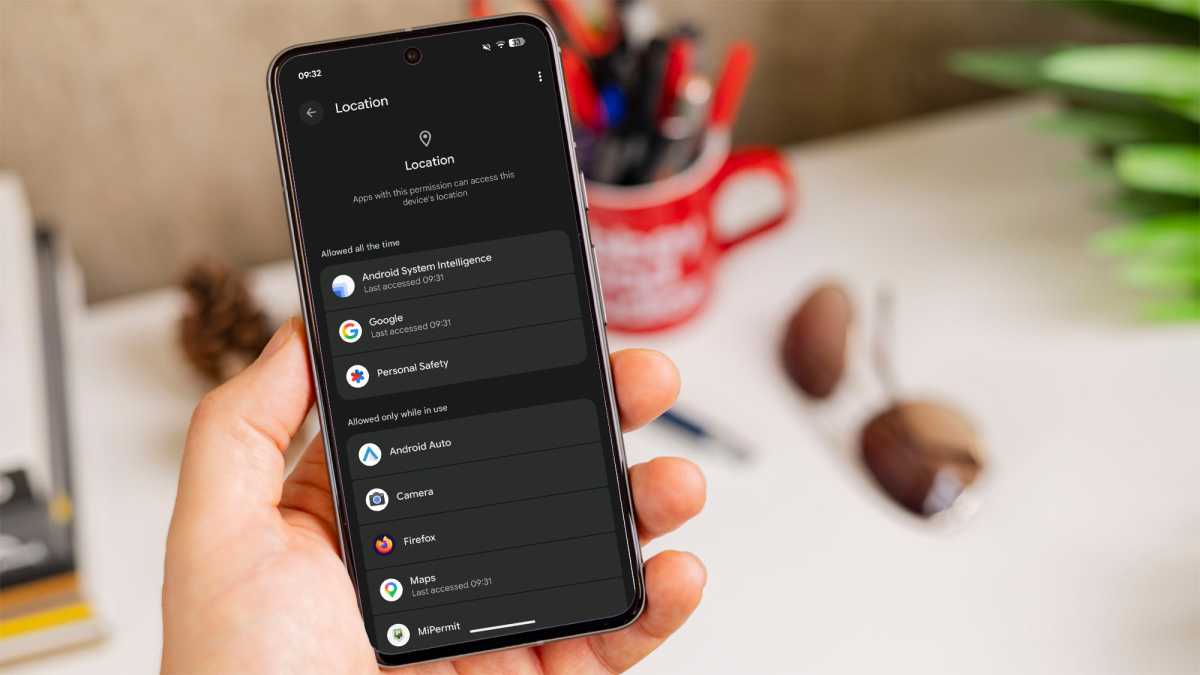
You might not be aware of this, but many apps track your location in the background, even when you’re not using them. Photos carry GPS coordinates in their hidden metadata. Fitness apps record your detailed running routes. Geotagged social media posts and check-ins can show where you live, where you work, and where you spend your free time.
Fortunately, it’s easy to reduce your location footprint. Check which apps use your location and turn off access for any that don’t truly need it. Like I mentioned previously, when an app does need your location, pick “Only while using the app” instead of allowing constant access.
You should also disable location tagging in your camera app if you don’t need it and avoid posting your whereabouts in real time—especially while you’re away from home. Sharing vacation photos after you return is a much safer habit than announcing your trip while you’re still there.
You’re unknowingly feeding data brokers
Most people have never talked to a data broker. But there’s a good chance one has a detailed file on you anyway. I explain how they collect your data in my other guide, but here’s the short version: Data brokers pull and compile data on you from dozens of places including public records, loyalty programs, mobile apps, website trackers, social media, and even other businesses that sell customer data. Practically any of the habits that I covered in this article all feed the profiles data brokers build and sell on you.
Put together, these digital dossiers reveal your detailed interests, shopping habits, relationships, income, home address, and more.
Completely avoiding data brokers isn’t realistic, but you can make their job much harder. Apart from all of the habits listed above, you can also exercise your privacy rights by opting out of data collection or requesting that your information be deleted directly from these data broker sites.
If you don’t want to handle hundreds of opt-out requests on your own, a good data removal service can do the work for you. Services such as Incogni, DeleteMe, Optery, and Aura are reputable services that automate this process on your behalf.
They contact data brokers, ask them to remove your information, and keep checking for new listings over time. They can’t erase every trace of you from the internet, but they can significantly reduce how much of your personal information is available publicly.
