
What X-VPN’s Open-Source Protocol and Independent Assessment Mean for You
A VPN sends your traffic through the provider’s software and servers, and you can’t see what that software does. That makes transparency a practical question for anyone choosing one. X-VPN has made its new Talaria protocol open source and had it independently assessed. What does that mean for you and why do those checks matter when you compare any VPN?
Table of Contents
Why does transparency matter in a VPN?
A VPN protocol decides how your device connects to a server and how your data is encrypted and sent. It plays a key role in the security and privacy of the connection. If the protocol has a flaw, you can’t spot it from the outside.
Two checks help. Open code lets outsiders examine how the protocol works. An independent assessment has a third party test it and report what it finds. Together they give you more than the provider’s word.
X-VPN
What does open source mean for Talaria?
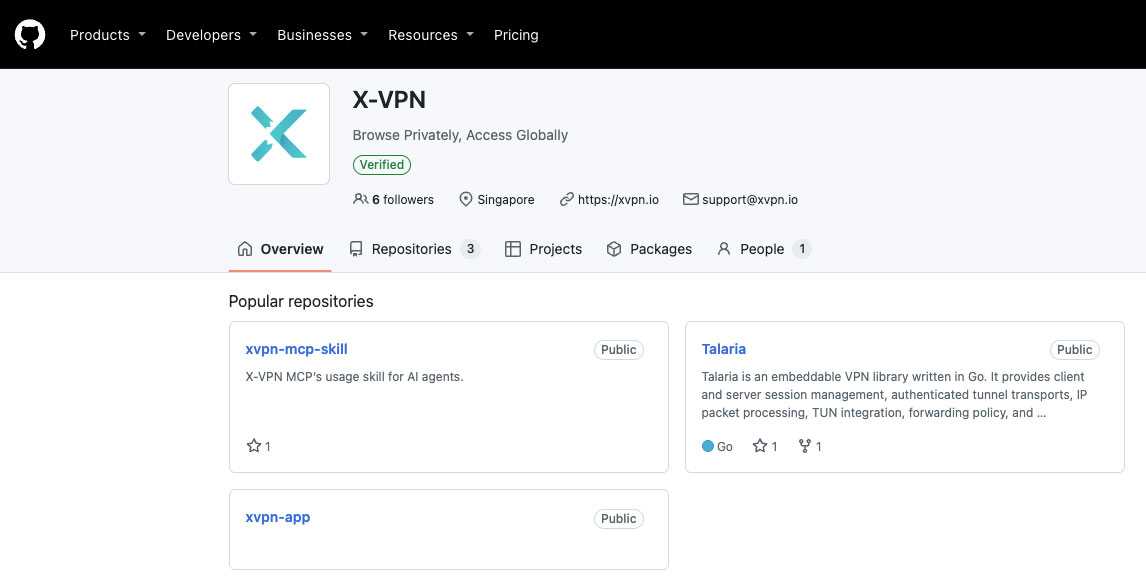
Since October 16, 2026, Talaria’s source code has been public on GitHub under the AGPL v3 licence. You don’t need to read code yourself. Developers and security researchers can, and they can suggest improvements.
X-VPN also runs a Bug Bounty Program, where eligible vulnerability reports may be rewarded. For you, that means the protocol stays open to outside scrutiny after launch.
X-VPN
What did the independent assessment find?
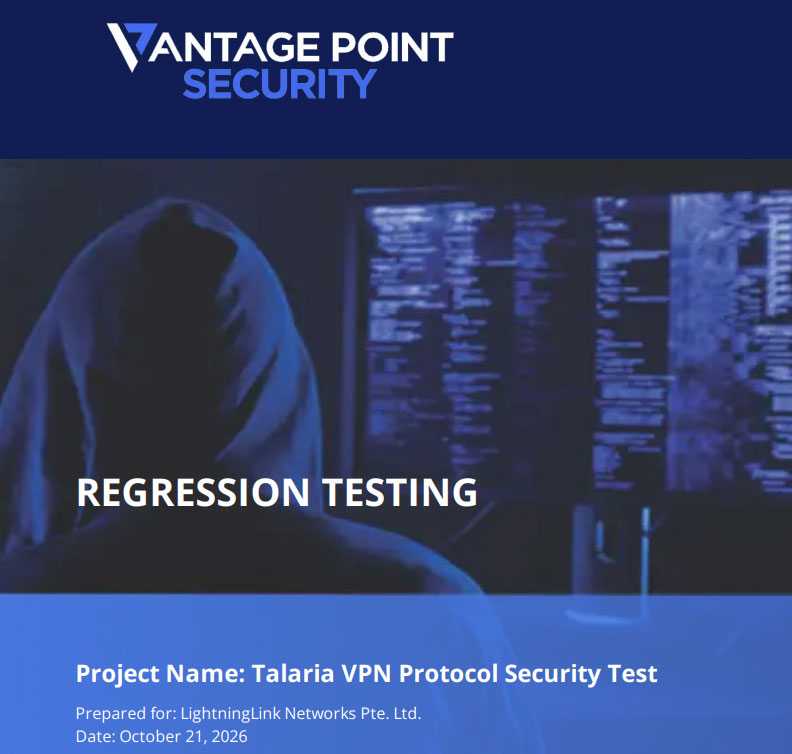
Vantage Point Security, a Singapore-based cybersecurity firm, tested Talaria from September 8 to 24, 2026. It combined a white-box source code review (testers can see the code) with protocol-level penetration testing (simulated attacks on the protocol).
It found no vulnerabilities at critical, high, medium or low severity, and raised four informational observations, which are recommendations rather than flaws. X-VPN says it implemented all four, and a retest by Vantage Point confirmed they were resolved. The firm concluded that Talaria’s design and use of cryptography aligned with security best practices.
X-VPN says anyone can read the assessment report.
What protection does Talaria give you?
Talaria uses TLS 1.3 encryption and checks X-VPN’s servers before sending your data. Each connection gets its own keys, and Talaria blocks tampered, duplicate or expired data packets.
It also uses hybrid post-quantum key exchange, designed to resist future quantum attacks when encryption keys are created.
X-VPN
Does the security cost you speed?
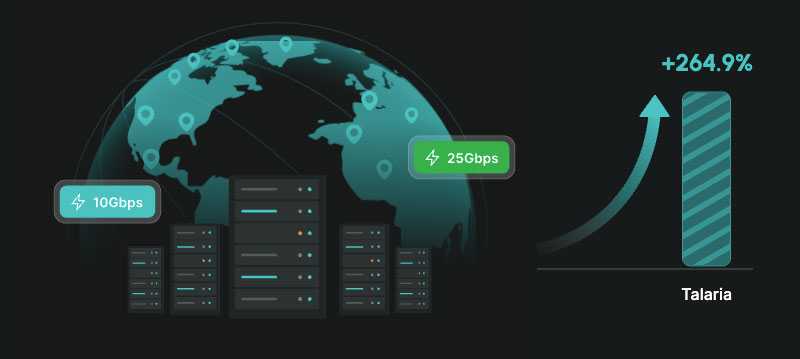
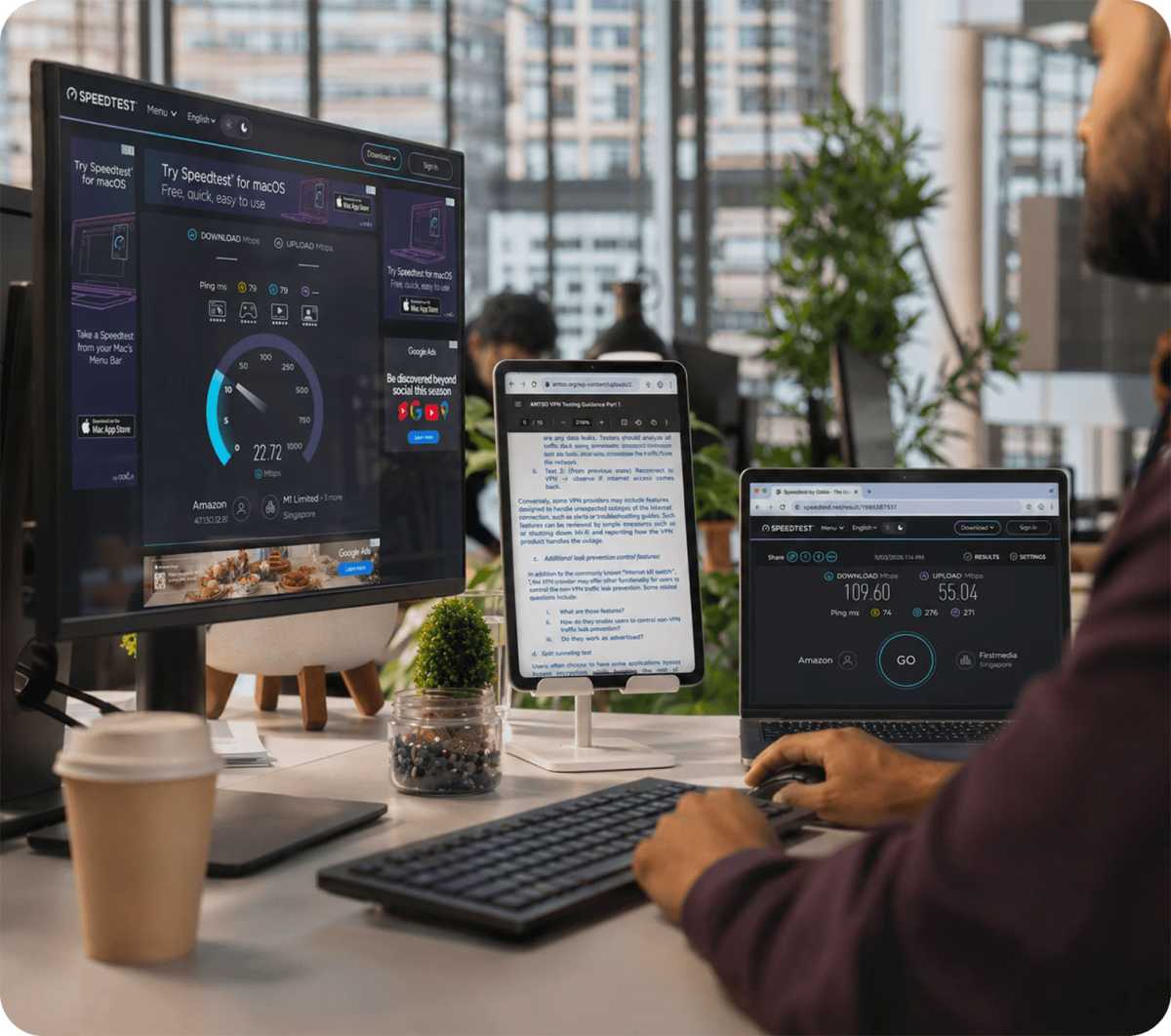
X-VPN says it costs little. In its internal tests on 100Mbps and 1Gbps connections on Windows and macOS, Talaria kept at least 95% of the download speed measured without a VPN. On 10Gbps connections, X-VPN reports an aggregate improvement of over 200% against its own earlier protocols.
That matters if you stream, download large files or run several apps at once. These are X-VPN’s own figures, not independent benchmarks, and results vary with your device, network and server.
X-VPN
How does this set X-VPN apart?
- A protocol whose code anyone can read
- An independent assessment that was retested after fixes
- A bug bounty for outside researchers
- An earlier independent No-Logs audit of its privacy practices
When you compare VPNs, ask the same questions of each one. Can you inspect its protocol? Who tested it, and what did they find? Are the results public?
Can you try Talaria for free?
Yes. Talaria is available to Free and Premium users on Windows, macOS, iOS and Android, but not on Windows ARM devices. Use the latest version of the X-VPN app.
