Microsoft pledged last week to improve Windows 11. As a Windows Insider, I received an email of the full memo, sent out alongside the blog post. I could interpret that as a signal of genuine commitment. But after the last four years, I’m not so willing to be positive.
I remember a time when faceless corporations regularly played the villain in movies and video games—unfeeling and oblivious to the human suffering they caused—as a reflection of real life. And as a bit of escapism from actual living, with ordinary people ultimately making themselves heard despite the power of a huge organization.
Welcome to The Full Nerd newsletter—your weekly dose of hardware talk from the enthusiasts at PCWorld. Missed the surprising topics on our YouTube show or latest news from across the web? You’re in the right place.
Want this newsletter to come directly to your inbox? Sign up on our website!
But about 10 to 15 years ago, social media began to flip that narrative. Companies started interacting with the angry mobs. They promised open ears and a willingness to be better. And that humanity felt like progress.
I don’t believe it does anymore. Listening only goes so far. Just look at Windows 11.
Microsoft sent Windows 11 into the world almost a half-decade ago. While it seemed not quite fully baked, the new operating system at least felt stable. (So said colleagues and friends more sympathetic to Windows 11 than I was.) But between October 2021 and now, user complaints have gone the opposite direction of feature requests. For the last year, we’ve all groused about buggy patches, greater instability, and just a general degradation in the Windows experience.
So I’m not impressed by the upcoming improvements outlined by Microsoft’s Pavan Davuluri, EVP of Windows and Devices. They sound like basic table stakes for a reliable operating system—and arguably, a state that the OS should have maintained this whole time.
Among the fixes and improvements the Windows team says it will tackle:
- Less use of memory by the operating system
- Consistency in device waking, particularly in docked situations
- Quicker and more reliable copying and moving of large files
- More reliable Windows updates
- Taking Copilot out of Notepad (thank you, sky deities)
This list is just a partial accounting—the blog post dives into many more pledges, including greater control over Windows updates, more selective integration of Copilot into Windows, and customizations like a movable taskbar.
But how many times has the public heard a variation of “We hear you, and we’ll do better” at this point? Complete with specific pledges?

Mark Hachman / IDG
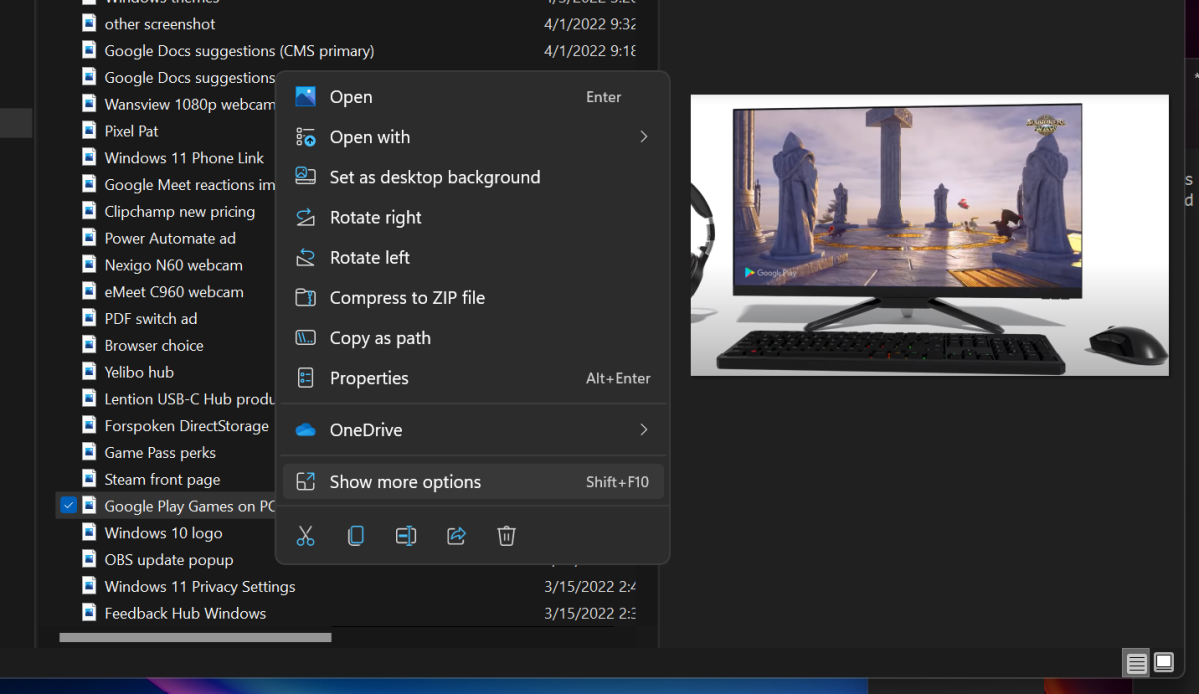
I feel burned, and I don’t think I’m the only one. When an OS is streamlined, stable, and responsive, people pay little attention to it. I’ve had Windows 11’s annoyances, small and large, grind on me daily. I continually experience the issues that prompted each of those fixes in the bulleted list above. (Technically Copilot in Notepad is an annoyance, not a problem, but tomato, tomatoh.) There is no instance when I use Windows 11 and think only about my task at hand. I’m constantly monitoring the OS’s behavior somewhere in the back of my mind, in part to decide if a reboot is in order.
Personally, I think listening to customer complaints is not enough anymore. Companies still keep messing up and failing to repair the damage. I can’t extend grace on words alone anymore. Microsoft in particular torched my patience with Windows. I can’t even say I’m glad about the possibility of local accounts returning…and I badly want Microsoft to deliver on that front.
Because until I can wake my computer without it freezing a third of the time; until I can stop opening Task Monitor regularly to check memory usage; until I can trust that Windows Update won’t push a bad patch—such a dangled carrot just makes me angry. It reminds me I could be using another operating system, instead of putting up with these ups and downs.
When a company listens but never actually fixes problems, my level of cynicism is the result.
Table of Contents
In this episode of The Full Nerd
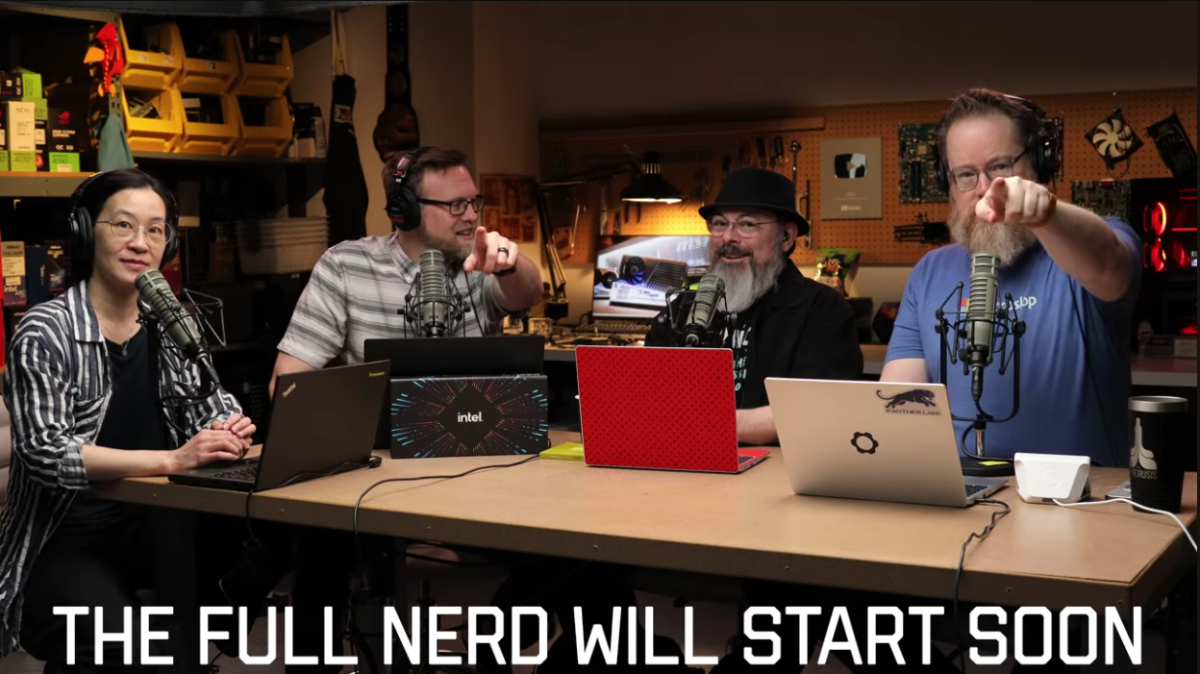
In this episode of The Full Nerd, Adam Patrick Murray, Alaina Yee, Will Smith, and special guest Mike Danseglio, Certified Ethical Hacker, chat about Adam’s time testing the Intel Core Ultra 7 270K Plus, Microsoft’s planned improvements for Windows 11, and a deep dive into BitLocker with the person who created it (spoiler: it’s Mikey).
The funny part about our chat about Windows 11? I didn’t even touch much on what I groused about above. We still had plenty to tear apart without me diving into my feelings on trust. (Or perhaps, as one of my therapist friends would say, an example of the “rupture and repair” cycle.)
As always, it’s a great time getting nerdy with Mikey—during the conversation, he casually drops a few different tips about how to beat Windows 11 into submission. Thanks, dude.

PCWorld / Foundry
Missed our live show? Subscribe now to The Full Nerd Network YouTube channel, and activate notifications. We also answer viewer questions in real time!
Don’t miss out on our other shows too—you can catch episodes of Dual Boot Diaries, The Full Nerd: Extra Edition, and Expedition: Handheld through our channel!
And if you need more hardware talk during the rest of the week, come join our Discord community—it’s full of cool, laid-back nerds.
This week’s hopeful nerd news
DIY PC building has seemed dire since the holidays, but a whole bunch of developments are making consumer technology interesting again (if not affordable…). On top of what we already know about DLSS 5 and Microsoft’s upcoming Windows 11 tweaks, people are dissing (and dissecting) Intel’s new optimization tech and AMD announced a dual 3D V-Cache chip.
Meaty stuff—and there’s still been interesting bits beyond all that. Also horrifying. Brain-destroying sleeper viruses are very horrifying.

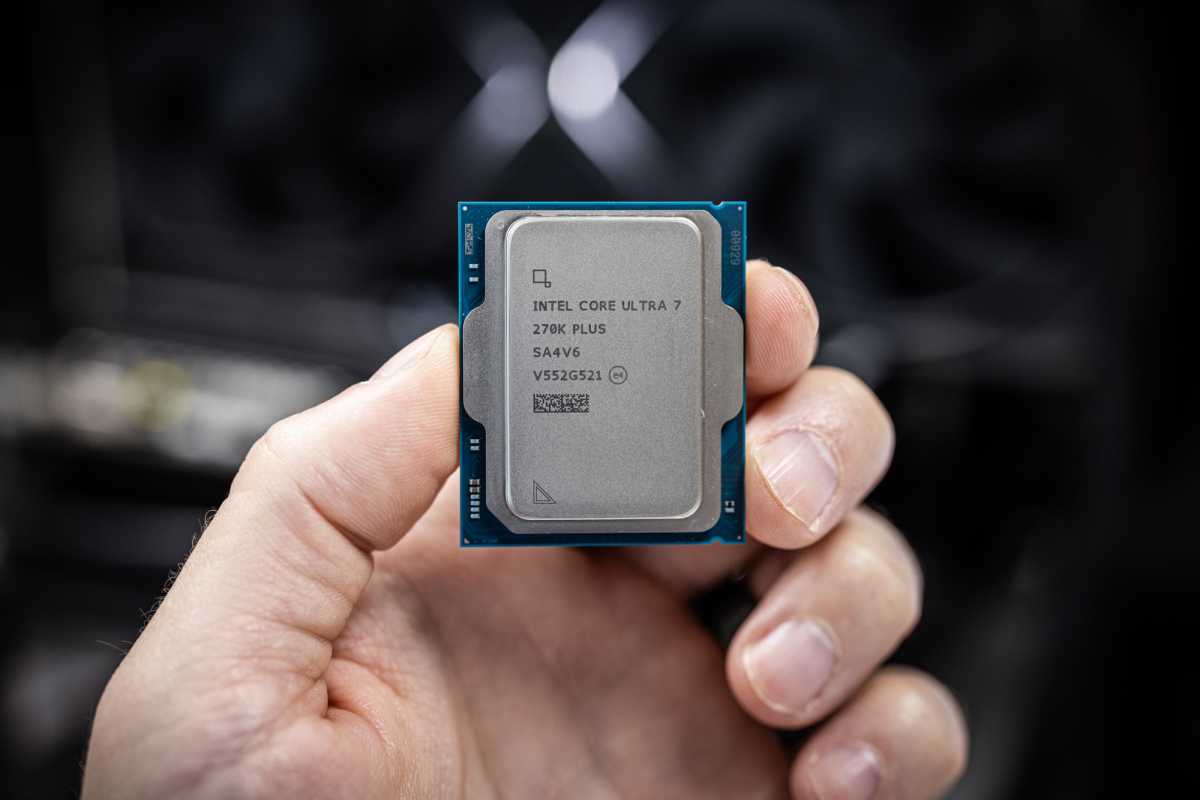
IBOT is the most controversial part of the Arrow Lake Refresh launch…and the drama is pretty mild (for now).
Adam Patrick Murray / Foundry
- Hang on, grabbing my popcorn: Geekbench says that it’ll start issuing warnings when its benchmarks get used on Intel Arrow Lake Refresh CPUs with the company’s new IBOT feature turned on—it doesn’t feel scores in such scenarios are sound.
- An even deeper IBOT dive: You should definitely check out our interview with Intel about the new Binary Optimization Tool, but for a closer dig into the details, Tom’s Hardware has fuller benchmarks. Super interesting results.
- Interesting timing: AMD officially announced its first dual 3D V-Cache chip, the 9950X3D2. My colleague Mike wonders if this is a CPU that will apply to no one. Meanwhile, I’m very interested to see this chip in the wild. (Time to fight.)
- Say no to yesmen: Or rather, yesbots. Sycophantic feedback warps judgment, according to new research.
- Q-Day is coming: Sooner than anyone thinks. Google thinks it could be as early as 2029. Talks I’ve sat in estimate it closer to early 2030s to 2035. Regardless, post-quantum cryptography implementation is gaining importance.
- Pitchforks down: At least, don’t point them at the writers and video creators before you check out the content. (Point them at Google for rewriting headlines.)
- Ew, no thanks: Reddit is considering facial identification to combat its bot problem. Let’s hope they settle on a more privacy-friendly alternative. Though honestly, I should probably spend less time on Reddit anyway, so…

Hannah Cowton-Barnes / Foundry
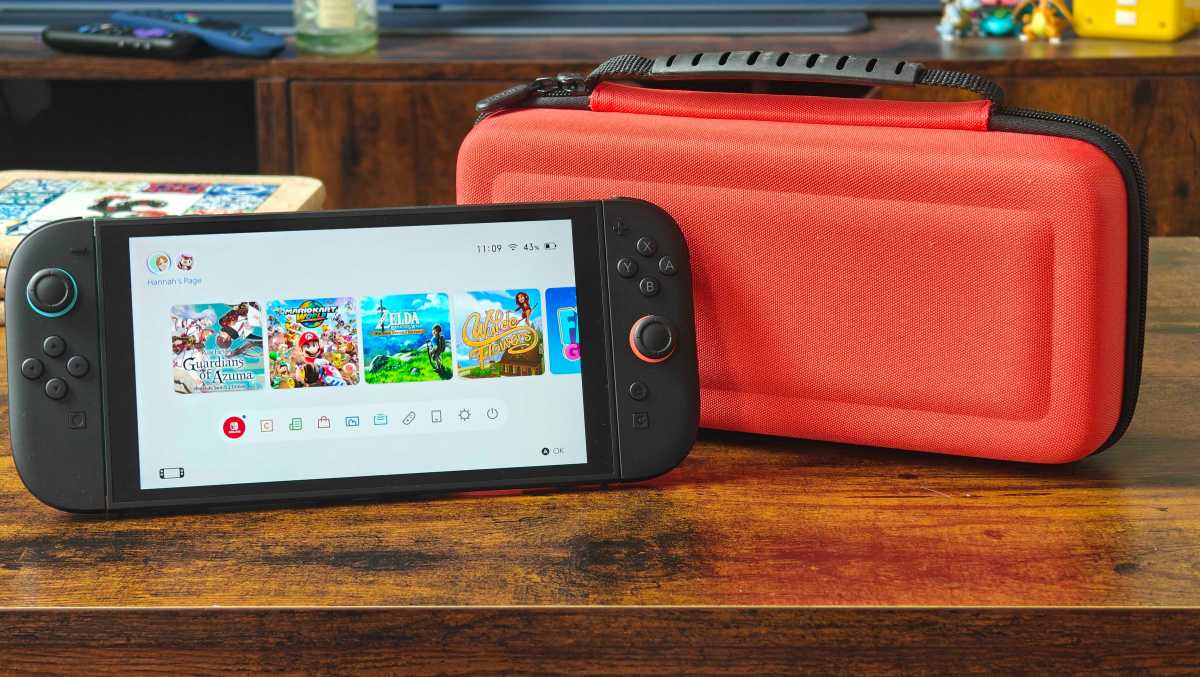
- Canary in a coal mine? Nintendo plans to cut Switch 2 production by 2 million units after a weak holiday season. Hmm.
- Pew pew: Actually, I guess a 2,000 year old “machine gun” that spews darts would make whoosh-whoosh sounds, but who knows? We don’t have the actual device to examine. (Regardless, this is a pretty cool archeological find.)
- CPU shortages incoming: File this under “when it rains, it pours” (for PC DIY builders). Alongside the predicted shortages, prices on processors are seeing an up to 40 percent increase.
- Good: Meta tried to argue that children were unavoidable collateral damage on its apps. They lost the lawsuit in which they made that argument. Maybe there’s a sliver of hope for how the law and tech intersect.
- Now what? The U.S. Federal Communications Commission basically just banned new consumer routers from being imported into the U.S. Already purchased devices are fine for now, so guess I’m gonna give mine an extra dusting and words of affirmation so it stays running like a champ.
- Excuse me, what? Researchers reported that a virus that can destroy your brain lurks in up to 90 percent of people—and that there could be a new way to wake this sleeper pathogen and set it on the path to gray matter destruction. Scary.
Spring is here at last, and I have to admit that the warmer weather is a nice change of pace. And a good counter to the effect of attending two security conferences back-to-back. My brain is very full. (And a little anxious, but hey, AI!)
Catch you all next week!
Alaina
This newsletter is dedicated to the memory of Gordon Mah Ung, founder and host of The Full Nerd, and executive editor of hardware at PCWorld.