
Windows Insider meetups are back. I went to one and so should you
Summary created by Smart Answers AI
Table of Contents
In summary:
- Microsoft has revived Windows Insider meetups where users provide direct feedback to key personnel like Marcus Ash and Scott Hanselman, marking renewed engagement after Windows 11’s criticized launch.
- PCWorld highlights Microsoft’s shift toward a “cleaner, quieter Windows” experience, focusing on quality improvements like preventing automatic widget pop-ups and better search functionality.
- The initiative emphasizes fewer distractions and core experience improvements, with more meetups planned including London on June 22.
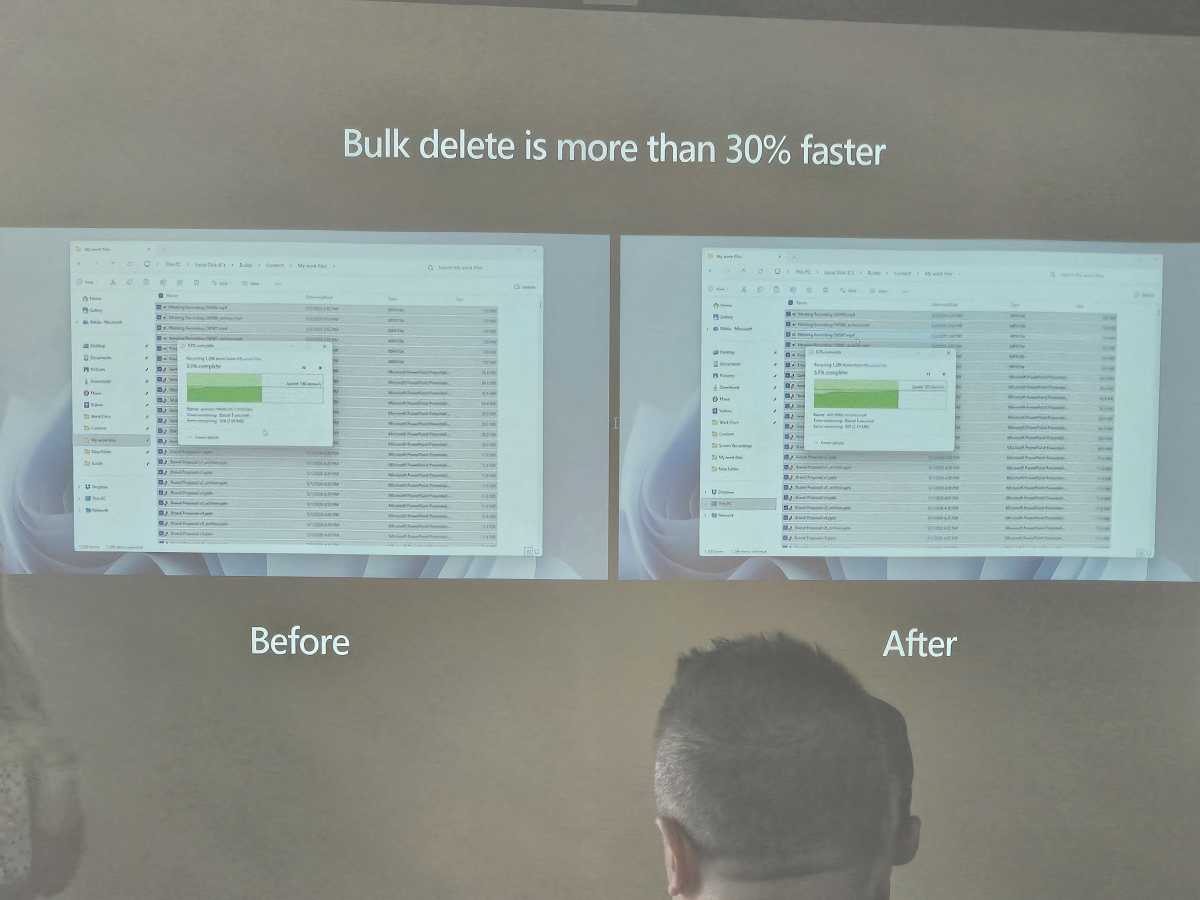
There were quiet cheers when Tali Roth, responsible for core Windows experiences, showed how Windows’ widgets button wouldn’t automatically trigger when the user hovered over them. They grew louder when she showed how Windows Search could produce just the files on a user’s PC and nothing more.
And where did all that applause come from? Not developers. Not customers. Not execs. Just regular users.
This past week, Microsoft held a meetup of Windows Insiders in advance of its Microsoft Build developer conference, where much of Microsoft’s focus was on luring, keeping, and facilitating how developers can use Windows, Copilot, GitHub, and its other tools and services. The Monday before the show was one of those rare opportunities where Windows users could show up, chat, complain, and offer advice to the people working on the operating system that drove their PC.
This informal approach is an unexpected benefit of Microsoft’s renewed focus on making Windows great. Now Windows almost feels like a passion project: Marcus Ash is running the Insider program as his “night job,” otherwise leading the design and research team for Microsoft’s Windows + Device. Microsoft’s Scott Hanselman—a blogger, podcaster, TinyToolsTown creator, and member of its technical staff—shares time between the Windows Platform Development team and GitHub. Former Windows Insider team members were there to chat.
You should be, too.
Windows with a personal touch
I absolutely agree with my colleague Alaina Yee that a cleaner, quieter Windows is the metaphor you’ll be hearing a lot in the coming months. Microsoft even showed it off using a “meadow” created from pixel art that might end up living at the bottom of your Windows desktop.
But even more is just how Microsoft communicated that message: at an open meetup of Windows Insiders.
Mark Hachman / Foundry
That’s the way it was a decade ago when the Insider program first began with Windows 10. It was an opportunity to get to know designers and product managers, hear why they made the decisions they did, then follow them on social media and on Insider podcasts to see how those conversations and decisions evolved. For me, it was a big reason why Windows 10 felt much more personal.
Then Windows 11 debuted… and that all vanished. Windows 11 was born from the DNA of Windows 10X, a simplified though uglier version of Windows, and that was that. No conversations, no choices. Just a redesigned Start menu, a static Taskbar, and a rather brutalist approach toward productivity and selling subscriptions—first Microsoft 365, later Copilot. You know the rest: increased “ads” and notifications, multiple Copilots, and even an exodus of users moving to Linux. The Insider team scattered and moved on.
Now, it’s back—and I love it.
For me, the best thing about the early days of Silicon Valley was the vision. Everyone had an idea of what the future should be and they weren’t afraid to discuss it. HP Labs, IBM Almaden, Xerox PARC: all of these would periodically open its doors. Companies like Apple and Google followed suit. User groups flourished. Steve Jobs might tell you that you were holding the iPhone wrong, but you could ask him directly.
But during the pandemic, companies stopped discussing the future and began dictating it. Feedback started being filtered back via web forms, public relations, and comment cards. Developers could still make their feelings known, especially via social media, but the ability for an average user to talk to a company developer became increasingly rare—and it shouldn’t be. Take Apple, for example. Every product launch is now simply a canned video plus some hands-on time for the press.
Cutting out the noise
That’s what makes these Windows Insider meetups so useful. You get to see the same world I do. You get to ask the questions that matter to you. Conceptually, it’s very much in sync with Microsoft’s new focus on reducing the “noise” and distractions, and prioritizing only the interactions which matter to you.
Mark Hachman / Foundry
“The baseline is quality across the full Windows stack, top to bottom, and then the core experiences,” Ash told me. “[Customers] want the noise reduction and to calm things down. That’s another prerequisite. Let’s really focus on the few experiences we believe in, that customers have told us have value. We’ve set [a goal] for fewer things at higher quality.”
I had a number of conversations throughout the night: Should Windows vibrate the haptic touchpad under certain conditions? What is Windows K2? Why did it take so long to allow users to move the Windows taskbar to the top, bottom, and sides? (It was an issue of priorities, resources, and complexity, Roth said, including the necessity to accommodate the Start menu and other flyouts in the four different positions.) How does Microsoft prioritize its grand, long-term vision of agentic AI with a cleaner, more accessible Windows? And how do I run agents on my Windows PC without them trashing my data?
Those were all my questions. What are yours? Microsoft has another Insider meetup scheduled for June 22 in London. Hopefully, they’ll have more. It’s one of the best things you can take part in.
